
PREF-XAI: Preference-Based Personalized Rule Explanations of Black-Box Machine Learning Models
arXiv cs.LG / 4/22/2026
📰 NewsModels & Research
Key Points
- The paper argues that XAI explanations should be tailored to individual users’ goals, preferences, and cognitive constraints, rather than using one-size-fits-all, model-centric approximations.
- It introduces PREF-XAI, reframing explanation generation as a preference-driven selection problem where multiple candidate explanations are evaluated against user-specific criteria.
- The proposed method generates rule-based explanation candidates and learns user preferences using formal preference learning, elicited via ranking and modeled with an additive utility function inferred through robust ordinal regression.
- Experiments on real-world datasets indicate the approach can reconstruct user preferences from limited feedback, surface the most relevant explanations, and even discover explanation rules users did not initially consider.
- By connecting XAI with preference learning, the work motivates more interactive and adaptive explanation systems that improve over time with user input.
Related Articles
No Free Lunch Theorem — Deep Dive + Problem: Reverse Bits
Dev.to

Salesforce Headless 360: Run Your CRM Without a Browser
Dev.to
RAG Systems in Production: Building Enterprise Knowledge Search
Dev.to
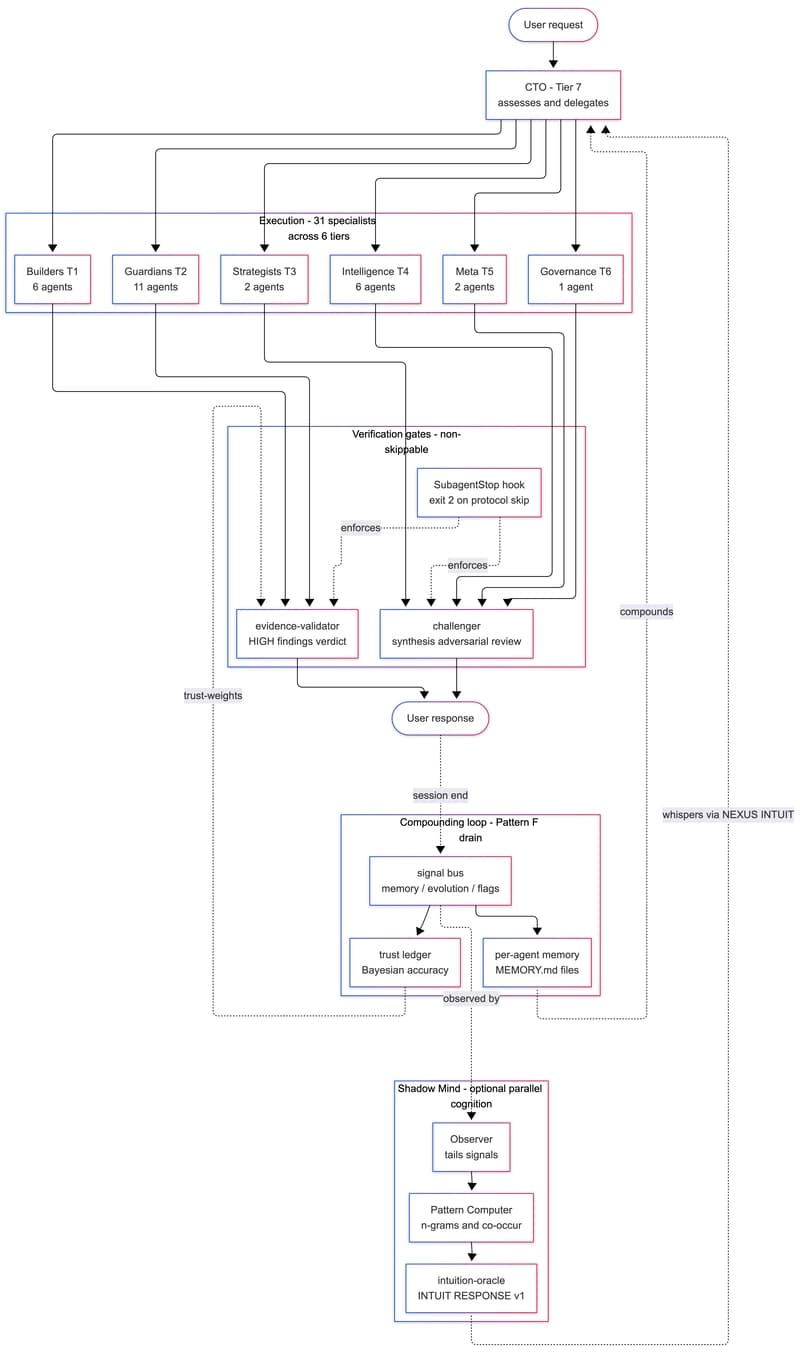
We Built a 31-Agent AI Team That Hires Itself, Critiques Itself, and Dreams
Dev.to
gpt-image-2 API: ship 2K AI images in Next.js for $0.21 (2026)
Dev.to


