
Speculating Experts Accelerates Inference for Mixture-of-Experts
arXiv cs.AI / 3/23/2026
💬 OpinionDeveloper Stack & InfrastructureTools & Practical UsageModels & Research
Key Points
- The authors propose an expert prefetching scheme for mixture-of-experts models that uses currently computed internal representations to speculate which experts will be needed next, enabling memory transfers to overlap with computation.
- They demonstrate that future experts can be reliably predicted across multiple MoE architectures, preserving downstream task accuracy while improving compute-memory overlap.
- Integrated into an optimized inference engine, the method yields up to a 14% reduction in time per output token (TPOT) compared with on-demand loading from CPU memory.
- When speculative execution risks accuracy, they explore lightweight estimators to improve expert-prediction hit rates and minimize performance degradation.
- The work is open-sourced with code released at the provided GitHub URL, facilitating adoption and integration.
Related Articles

Lemonade 10.0.1 improves setup process for using AMD Ryzen AI NPUs on Linux
Reddit r/artificial
The 2026 Developer Showdown: Claude Code vs. Google Antigravity
Dev.to
CRM Development That Drives Growth
Dev.to
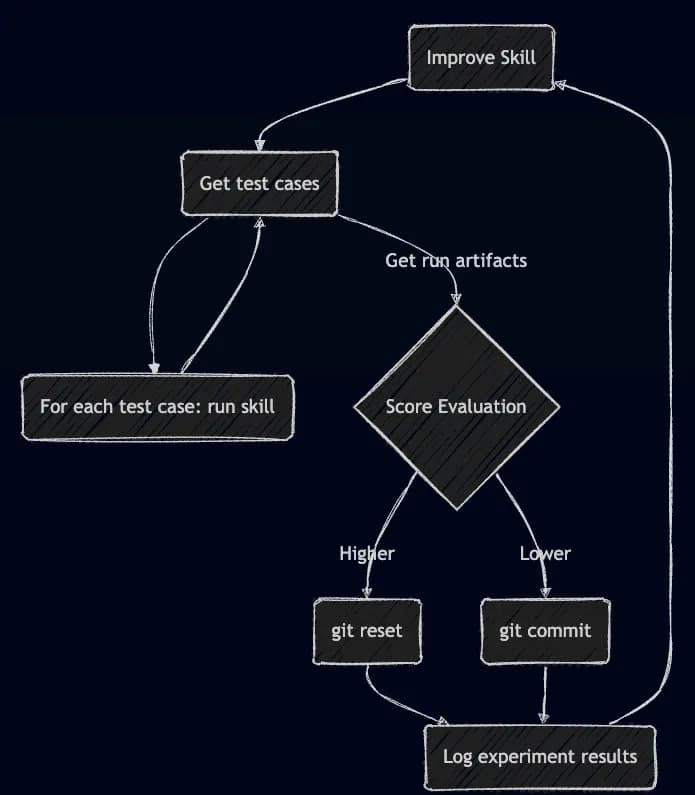
Karpathy's Autoresearch: Improving Agentic Coding Skills
Dev.to

How to Write AI Prompts That Actually Work
Dev.to


