
Persistence-based topological optimization: a survey
arXiv stat.ML / 3/27/2026
💬 OpinionIdeas & Deep AnalysisTools & Practical UsageModels & Research
Key Points
- The paper surveys research on optimizing loss functions derived from persistent homology (persistence-based topological optimization), especially using gradient-based methods.
- It reviews the theoretical foundations that connect topological descriptors to optimization objectives, including how gradient descent can be applied when losses depend on persistence features.
- The survey covers multiple algorithmic techniques developed in the topological data analysis community to make persistence-informed losses differentiable or optimizable in practice.
- It presents practical applications where topology-informed losses improve modeling via topological priors or regularization of machine learning models.
- An accompanying open-source library implements the surveyed approaches, intended to help newcomers and researchers experiment with these techniques.
広告
Related Articles
![[Boost]](/_next/image?url=https%3A%2F%2Fmedia2.dev.to%2Fdynamic%2Fimage%2Fwidth%3D800%252Cheight%3D%252Cfit%3Dscale-down%252Cgravity%3Dauto%252Cformat%3Dauto%2Fhttps%253A%252F%252Fdev-to-uploads.s3.amazonaws.com%252Fuploads%252Fuser%252Fprofile_image%252F3618325%252F470cf6d0-e54c-4ddf-8d83-e3db9f829f2b.jpg&w=3840&q=75)
[Boost]
Dev.to
Managing LLM context in a real application
Dev.to
Got My 39-Agent System Audited Live. Here's What the Maturity Scorecard Revealed.
Dev.to
OpenAI Killed Sora — Here's Your 10-Minute Migration Guide (Free API)
Dev.to
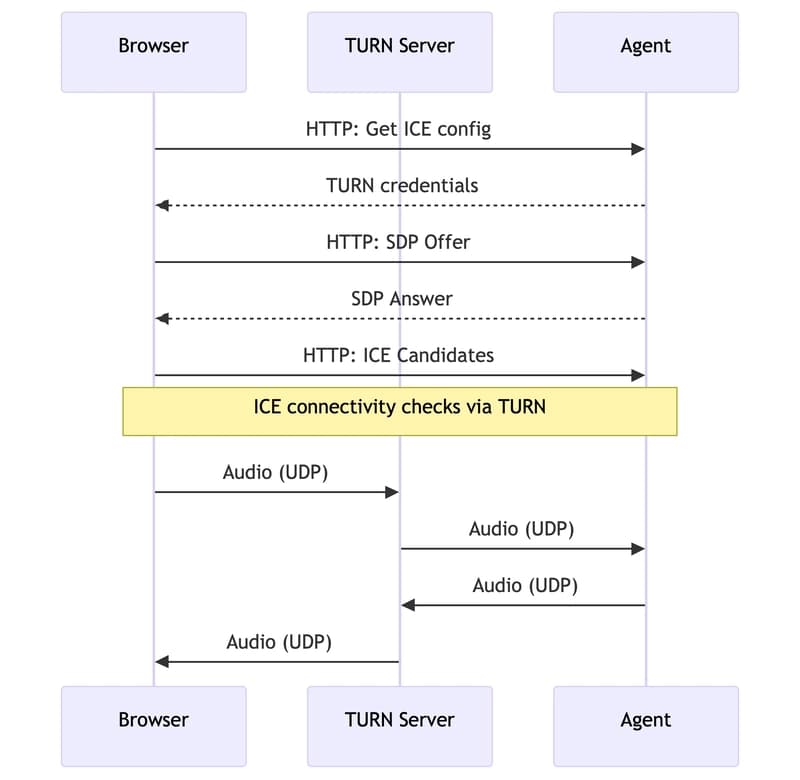
Switching my AI voice agent from WebSocket to WebRTC — what broke and what I learned
Dev.to


