
Enhancing AI-Based ECG Delineation with Deep Learning Denoising Techniques
arXiv cs.LG / 5/6/2026
📰 NewsIdeas & Deep AnalysisModels & Research
Key Points
- The study addresses the difficulty of evaluating canine ECGs because diverse noise sources (respiration, muscle activity, poor lead contact, and external artifacts) can mask clinically relevant signals.
- It argues that traditional denoising methods like filtering and wavelet-based approaches may fail to remove varied noise patterns while preserving ECG morphology needed for accurate delineation.
- The authors propose an autoencoder-based deep learning model trained to reconstruct clean cardiac signals from noisy inputs as an ECG denoising preprocessing step.
- Results indicate the model performs well on both noisy and clean canine ECG recordings, showing robustness across different signal conditions and suitability for downstream ECG delineation tasks.
Related Articles

Top 10 Free AI Tools for Students in 2026: The Ultimate Study Guide
Dev.to

AI as Your Contingency Co-Pilot: Automating Wedding Day 'What-Ifs'
Dev.to
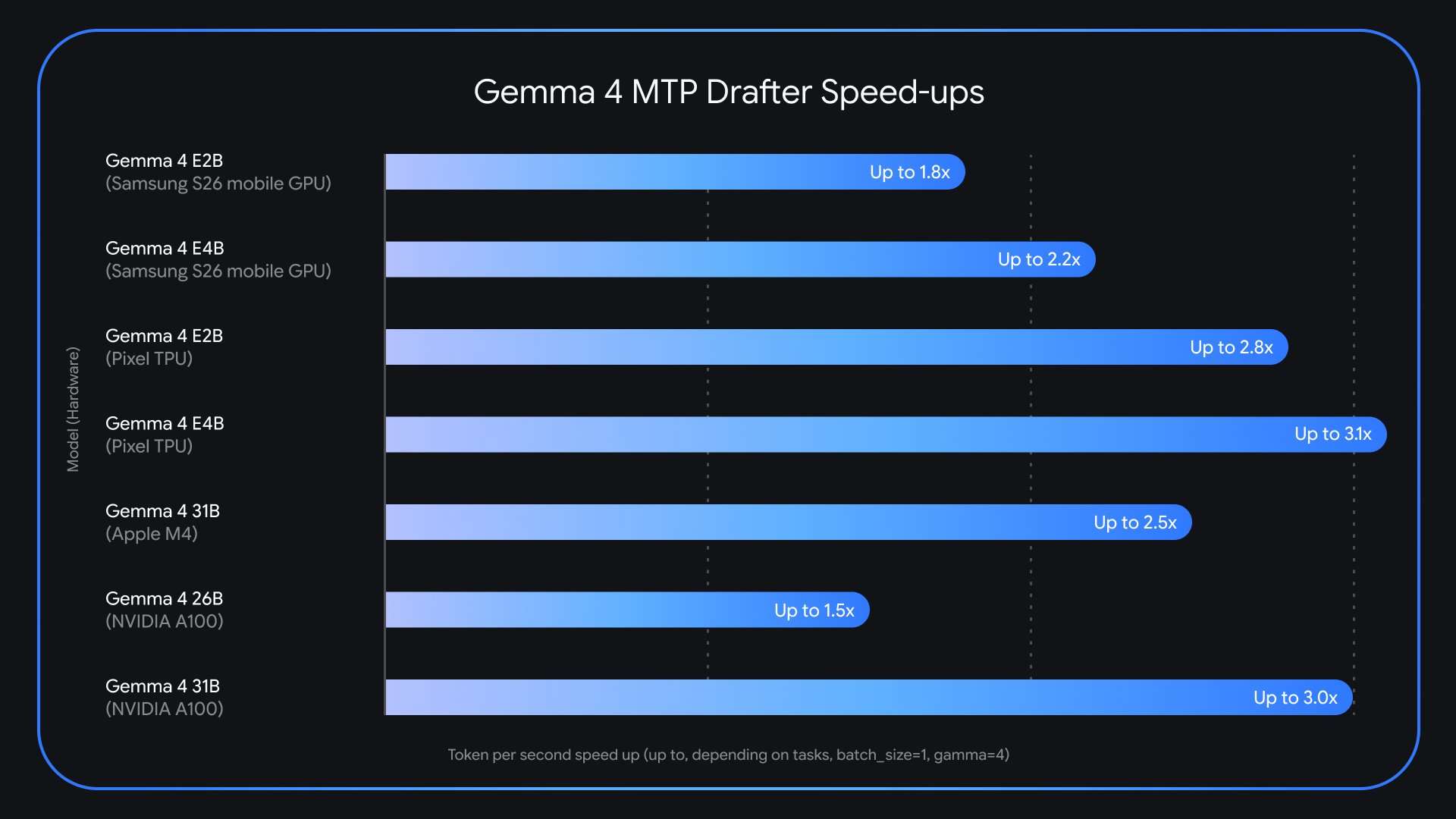
Google AI Releases Multi-Token Prediction (MTP) Drafters for Gemma 4: Delivering Up to 3x Faster Inference Without Quality Loss
MarkTechPost
When Claude Hallucinates in Court: The Latham & Watkins Incident and What It Means for Attorney Liability
MarkTechPost
Solidity LM surpasses Opus
Reddit r/LocalLLaMA


