
Learning Evidence of Depression Symptoms via Prompt Induction
arXiv cs.CL / 4/28/2026
📰 NewsIdeas & Deep AnalysisModels & Research
Key Points
- The paper tackles identifying evidence for 21 depression symptoms in large-scale user-generated text (like social media) to help address limited clinical capacity.
- It introduces BDI-Sen, a sentence-level dataset annotated for symptom relevance based on BDI-II, highlighting the fine-grained and highly imbalanced nature of the task.
- The authors report that standard LLM methods (zero-shot, in-context learning, and fine-tuning) have difficulty maintaining consistent relevance criteria across most symptoms.
- They propose Symptom Induction (SI), which converts labeled examples into short, interpretable symptom-specific guidelines and uses these to condition LLM classification.
- Across multiple LLM families and models, SI improves overall weighted F1 on BDI-Sen and also shows cross-domain generalization to other disorders with overlapping symptoms (bipolar and eating disorders).
Related Articles

Big Tech firms are accelerating AI investments and integration, while regulators and companies focus on safety and responsible adoption.
Dev.to
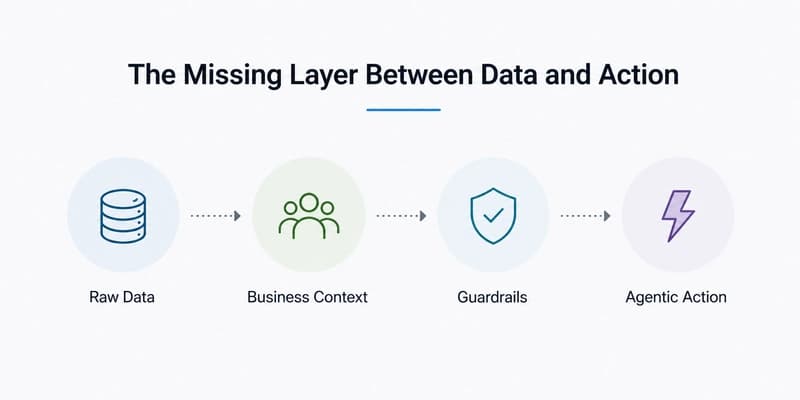
Everyone Wants AI Agents. Fewer Teams Are Ready for the Messy Business Context Behind Them
Dev.to
AI 编程工具对比 2026:Claude Code vs Cursor vs Gemini CLI vs Codex
Dev.to

How I Improved My YouTube Shorts and Podcast Audio Workflow with AI Tools
Dev.to

An improvement of the convergence proof of the ADAM-Optimizer
Dev.to


