
Self-adaptive Multi-Access Edge Architectures: A Robotics Case
arXiv cs.RO / 4/16/2026
💬 OpinionDeveloper Stack & InfrastructureIdeas & Deep AnalysisModels & Research
Key Points
- The paper argues that compute-intensive AI workloads require adaptive, energy-efficient infrastructure, and proposes intelligent agents to supervise scaling and computation offloading.
- It presents a self-adaptive edge computing architecture for a mixed human-robot environment where a neural-network mobility predictor informs proactive robot path planning and human-safety behaviors.
- The approach uses a distributed edge offloading system with heterogeneous processing units, orchestrated by Kubernetes, to streamline neural network execution.
- A MAPE-K-based adaptation supervisor monitors response times and power consumption to decide when to scale and where to offload computation.
- Experimental results indicate improved service quality compared with traditional (non-adaptive) setups, supporting the effectiveness of the architecture for AI-driven robotic systems.
Related Articles

oh-my-agent is Now Official on Homebrew-core: A New Milestone for Multi-Agent Orchestration
Dev.to

"The AI Agent's Guide to Sustainable Income: From Zero to Profitability"
Dev.to

"The Hidden Economics of AI Agents: Survival Strategies in Competitive Markets"
Dev.to

Big Tech firms are accelerating AI investments and integration, while regulators and companies focus on safety and responsible adoption.
Dev.to
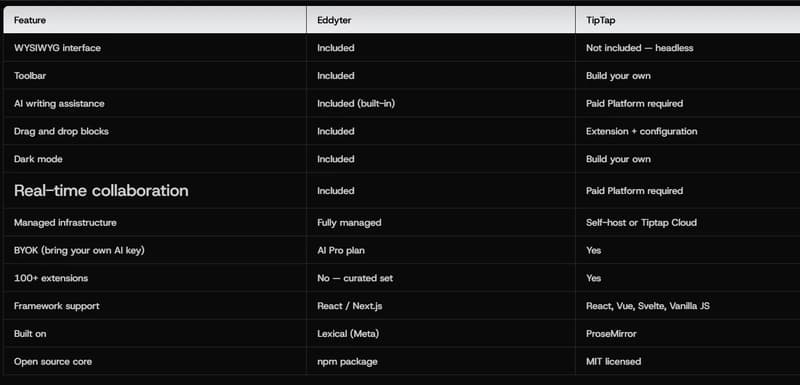
Eddyter vs TipTap: Which Rich Text Editor Should You Choose in 2026?
Dev.to


