
Why physical AI is becoming manufacturing’s next advantage
MIT Technology Review / 3/14/2026
💬 OpinionIdeas & Deep AnalysisIndustry & Market Moves
Key Points
- Physical AI is described as the next phase after traditional automation to advance manufacturing.
- It responds to labor constraints and rising complexity by enabling smarter, AI-enabled physical systems.
- The article highlights the goal of faster innovation without compromising safety, quality, or trust in operations.
- It signals a strategic shift for manufacturers toward integrating AI with physical processes to boost resilience and efficiency.
For decades, manufacturers have pursued automation to drive efficiency, reduce costs, and stabilize operations. That approach delivered meaningful gains, but it is no longer enough. Today’s manufacturing leaders face a different challenge: how to grow amid labor constraints, rising complexity, and increasing pressure to innovate faster without sacrificing safety, quality, or trust. The next phase…
Related Articles
Day 10: 230 Sessions of Hustle and It Comes Down to One Person Reading a Document
Dev.to

5 Dangerous Lies Behind Viral AI Coding Demos That Break in Production
Dev.to
Two bots, one confused server: what Nimbus revealed about AI agent identity
Dev.to
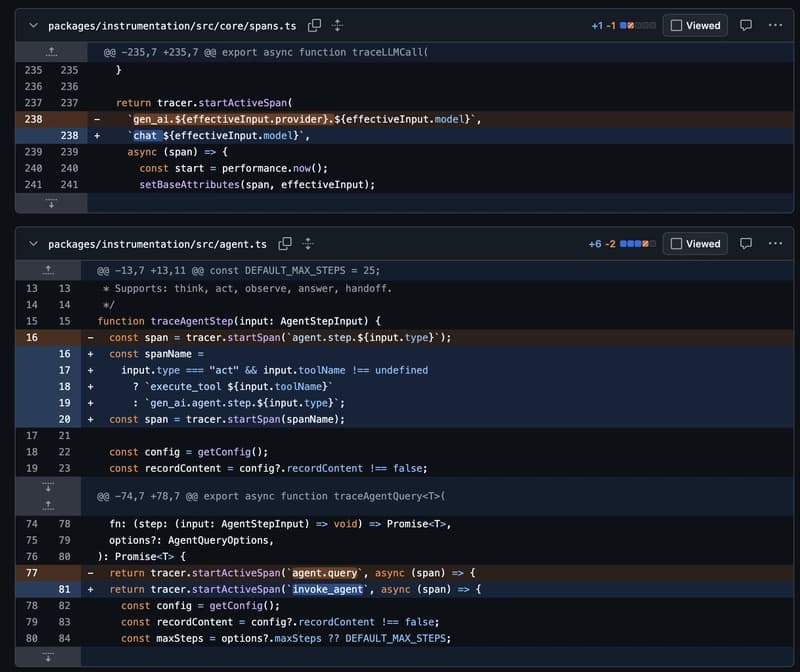
OpenTelemetry just standardized LLM tracing. Here's what it actually looks like in code.
Dev.to
PIXIU: A Large Language Model, Instruction Data and Evaluation Benchmark forFinance
Dev.to


