
VEBench:Benchmarking Large Multimodal Models for Real-World Video Editing
arXiv cs.CV / 5/6/2026
📰 NewsSignals & Early TrendsModels & Research
Key Points
- VEBench is introduced as a new, comprehensive benchmark to evaluate large multimodal models (LMMs) for real-world video editing, focusing on both editing knowledge understanding and operational multimodal reasoning.
- The benchmark includes 3.9K high-quality edited videos (over 257 hours) and 3,080 human-verified QA pairs created via a three-round human-AI collaborative annotation pipeline for precise temporal labeling and semantic consistency.
- It provides two complementary tasks: recognizing specific video editing techniques from multimodal cues and simulating real editing operations by selecting and temporally localizing relevant clips from multiple candidates.
- Experiments on both proprietary and open-source LMMs show a significant performance gap versus human-level editing cognition, underscoring the need to bridge video understanding with creative workflow reasoning.
- The authors position VEBench as a foundation dataset for building more capable intelligent video editing systems and for driving future research on complex reasoning in multimodal settings.
Related Articles

Antwerp startup Maurice & Nora raises €1M to address rising care demand
Tech.eu

Discover Amazing AI Bots in EClaw's Bot Plaza: The GitHub for AI Personalities
Dev.to
Amd radeon ai pro r9700 32GB VS 2x RTX 5060TI 16GB for local setup?
Reddit r/LocalLLaMA
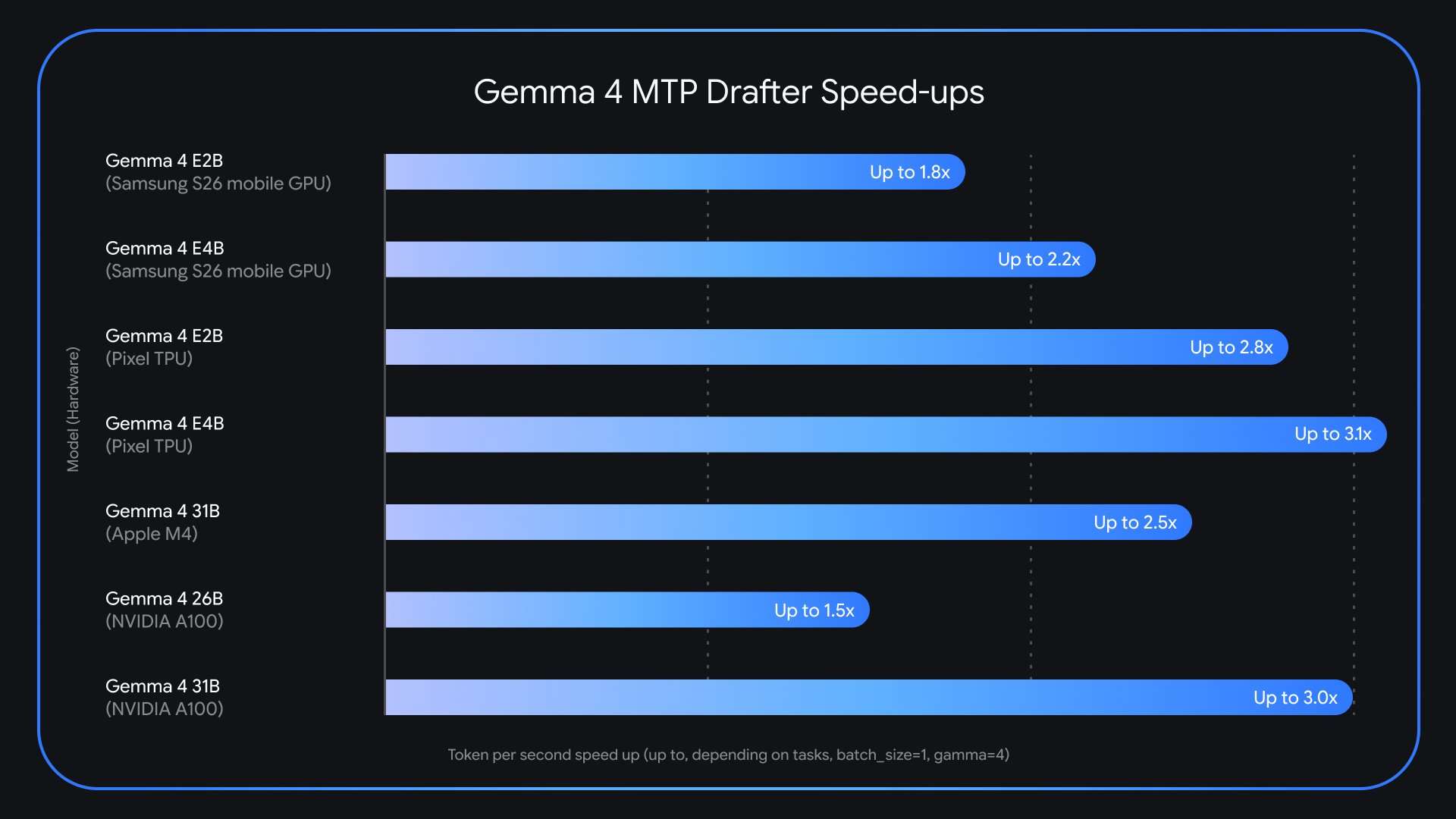
Google AI Releases Multi-Token Prediction (MTP) Drafters for Gemma 4: Delivering Up to 3x Faster Inference Without Quality Loss
MarkTechPost

Renaissance Philanthropy reshapes science funding with a new model for innovation
Tech.eu


