
VL-SAM-v3: Memory-Guided Visual Priors for Open-World Object Detection
arXiv cs.CV / 5/6/2026
📰 NewsSignals & Early TrendsModels & Research
Key Points
- The paper introduces VL-SAM-v3, a unified approach to open-world object detection that works for both open-vocabulary and open-ended settings.
- Instead of relying mainly on coarse text semantics and parametric knowledge, VL-SAM-v3 retrieves external visual prototypes from a non-parametric memory bank to build more reliable visual priors.
- It transforms retrieved prototypes into two complementary priors: sparse priors for instance-level spatial anchoring and dense priors for class-aware local context.
- The method integrates these priors into detection through Memory-Guided Prompt Refinement, using a shared retrieval-and-refinement mechanism during inference.
- Zero-shot experiments on LVIS show consistent improvements in detection, with especially large gains for rare categories, and results with a stronger open-vocabulary detector (SAM3) confirm the generality of the retrieval-refinement design.
Related Articles

Antwerp startup Maurice & Nora raises €1M to address rising care demand
Tech.eu

Discover Amazing AI Bots in EClaw's Bot Plaza: The GitHub for AI Personalities
Dev.to
Amd radeon ai pro r9700 32GB VS 2x RTX 5060TI 16GB for local setup?
Reddit r/LocalLLaMA
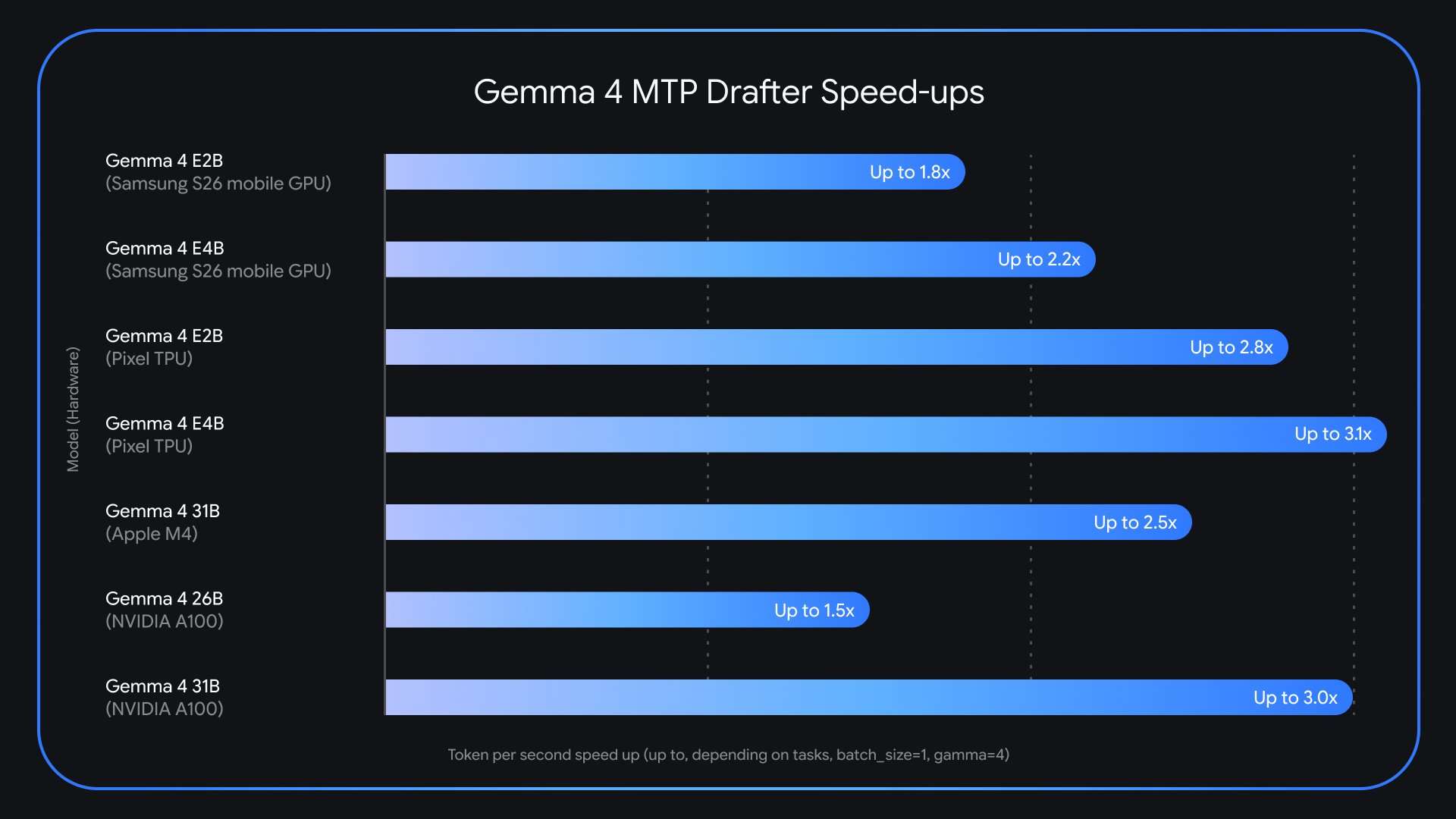
Google AI Releases Multi-Token Prediction (MTP) Drafters for Gemma 4: Delivering Up to 3x Faster Inference Without Quality Loss
MarkTechPost

Renaissance Philanthropy reshapes science funding with a new model for innovation
Tech.eu


