
A User-Centric Analysis of Explainability in AI-Based Medical Image Diagnosis
arXiv cs.CV / 5/6/2026
💬 OpinionIdeas & Deep AnalysisModels & Research
Key Points
- The paper examines why AI for medical image diagnosis, despite high performance, is rarely adopted in practice due to insufficient clarity about how models reach decisions.
- It conducts a user-centric, comparative study of state-of-the-art explainable AI (XAI) methods—textual, visual, and multimodal—focusing on how well explanations support clinicians.
- A survey of 33 physicians found strong consensus that AI should explain its diagnosis, with 88% agreeing and 64% strongly agreeing.
- Among the evaluated approaches, combining bounding boxes with a generated report was rated best across understandability, completeness, speed, and practical applicability.
- The study also highlights a concerning risk: when diagnoses are false, 50% of participants reported trusting the incorrect AI outputs despite the tested XAI methods.
Related Articles

Top 10 Free AI Tools for Students in 2026: The Ultimate Study Guide
Dev.to

AI as Your Contingency Co-Pilot: Automating Wedding Day 'What-Ifs'
Dev.to
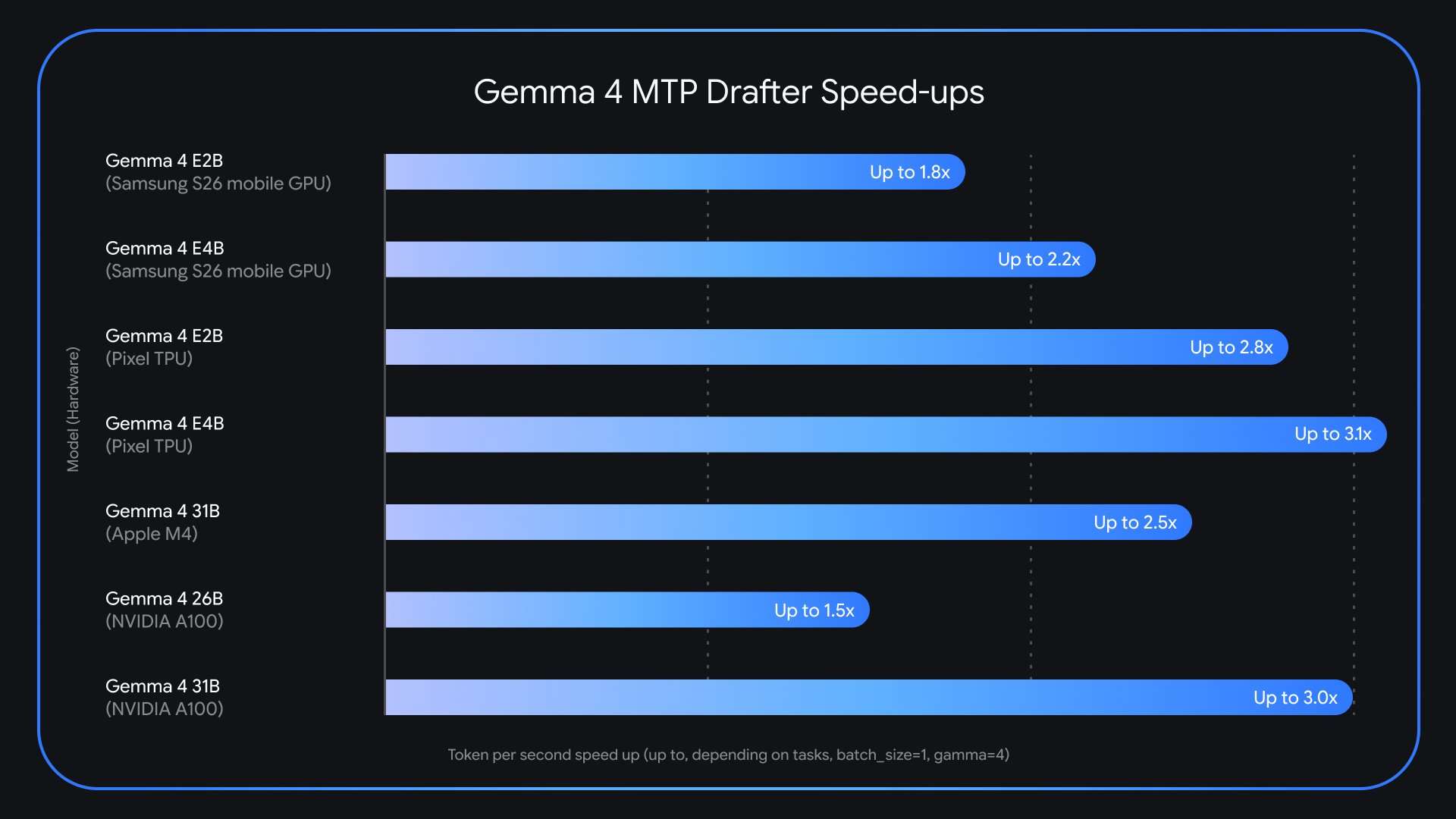
Google AI Releases Multi-Token Prediction (MTP) Drafters for Gemma 4: Delivering Up to 3x Faster Inference Without Quality Loss
MarkTechPost
When Claude Hallucinates in Court: The Latham & Watkins Incident and What It Means for Attorney Liability
MarkTechPost
Solidity LM surpasses Opus
Reddit r/LocalLLaMA


