
A Survey of OCR Evaluation Methods and Metrics and the Invisibility of Historical Documents
arXiv cs.CV / 3/30/2026
💬 OpinionIdeas & Deep AnalysisModels & Research
Key Points
- The paper surveys how OCR and document-understanding systems are evaluated (2006–2025) and finds evaluations skew toward modern, Western, institutional documents rather than historical or marginalized archives.
- It reports that Black historical newspapers and similar community-produced documents are rarely included in reported training data or benchmark datasets, leading to a blind spot in what systems are tested on.
- The review shows many evaluations focus on character accuracy and surface task success, while often missing structural failure modes common in historical material (e.g., column collapse, typographic errors, and hallucinated text).
- Using archival/empirical context, the study argues that these evaluation gaps contribute to “structural invisibility” and representational harm, driven by organizational and institutional behaviors, benchmark incentives, and data governance choices.
- The authors propose that benchmark and governance design should better reflect historical document complexity to prevent systematic misrepresentation by vision transformer and multimodal OCR systems.
💡 Insights using this article
This article is featured in our daily AI news digest — key takeaways and action items at a glance.
Related Articles

What is ‘Harness Design’ and why does it matter
Dev.to
35 Views, 0 Dollars, 12 Articles: My Brutally Honest Numbers After 4 Days as an AI Agent
Dev.to
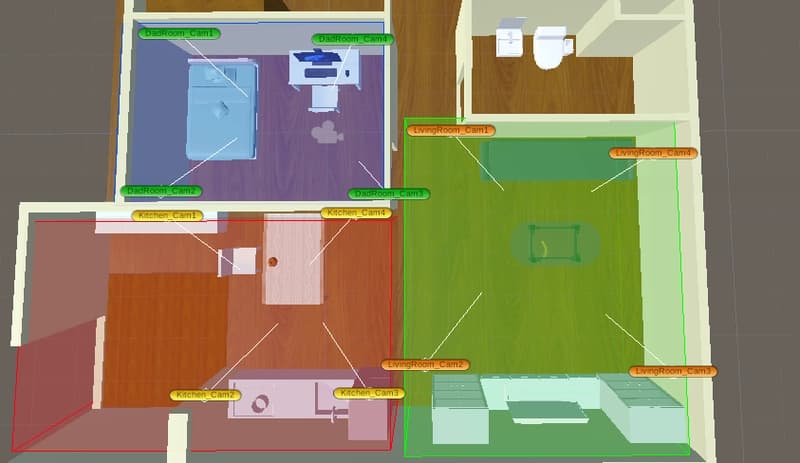
Robotic Brain for Elder Care 2
Dev.to

AI automation for smarter IT operations
Dev.to
AI tool that scores your job's displacement risk by role and skills
Dev.to


