
Measuring What Matters!! Assessing Therapeutic Principles in Mental-Health Conversation
arXiv cs.CL / 4/8/2026
💬 OpinionSignals & Early TrendsIdeas & Deep AnalysisModels & Research
Key Points
- The paper argues that evaluating LLMs in mental-health use cases requires frameworks that measure adherence to psychotherapeutic best practices, not just conversational fluency.
- It proposes assessing therapist-like responses against six therapeutic principles (non-judgmental acceptance, warmth, autonomy respect, active listening, reflective understanding, and situational appropriateness) using fine-grained ordinal ratings.
- It introduces FAITH-M, a benchmark annotated by experts with ordinal scores, and a multi-stage evaluation framework called CARE that uses intra-dialogue context, contrastive exemplar retrieval, and knowledge-distilled reasoning.
- Experiments report that CARE improves F-1 to 63.34 compared with a baseline Qwen3 F-1 of 38.56 (a 64.26% gain), suggesting benefits come from structured reasoning/context modeling rather than model capacity alone.
- The approach shows robustness to domain shifts in external evaluations, while also revealing ongoing challenges in capturing implicit clinical nuance.
💡 Insights using this article
This article is featured in our daily AI news digest — key takeaways and action items at a glance.
Related Articles

Black Hat Asia
AI Business

The enforcement gap: why finding issues was never the problem
Dev.to
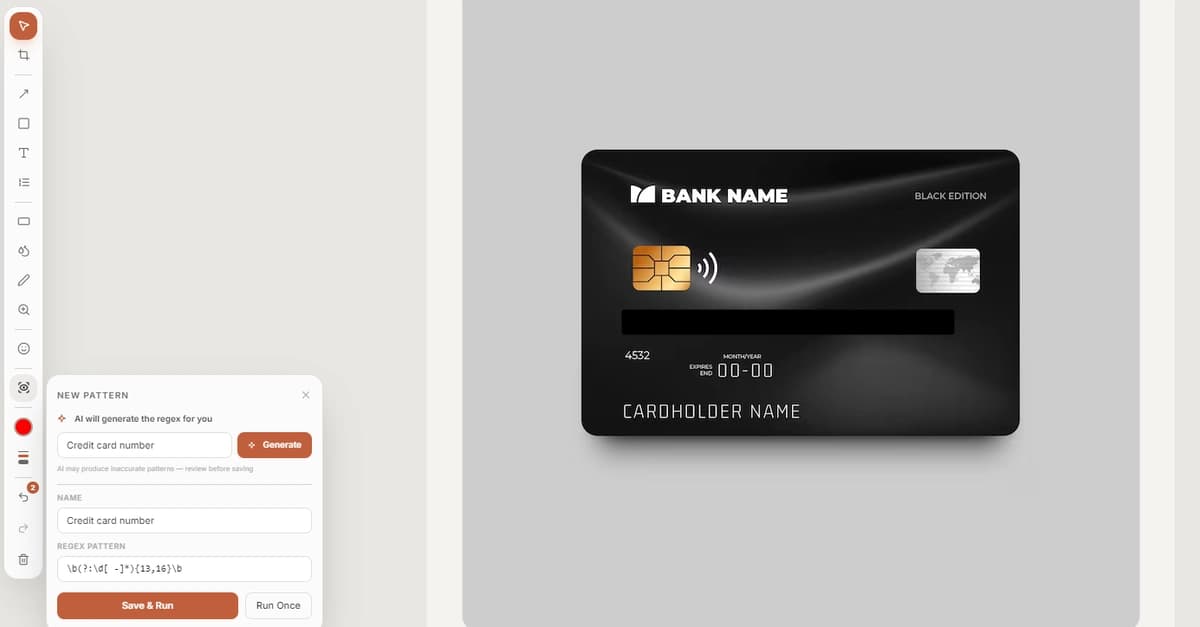
How I Built AI-Powered Auto-Redaction Into a Desktop Screenshot Tool
Dev.to

Agentic AI vs Traditional Automation: Why They Require Different Approaches in Modern Enterprises
Dev.to
Agentic AI vs Traditional Automation: Why Modern Enterprises Must Treat Them Differently
Dev.to


