
DAK-UCB: Diversity-Aware Prompt Routing for LLMs and Generative Models
arXiv cs.LG / 3/25/2026
💬 OpinionSignals & Early TrendsIdeas & Deep AnalysisModels & Research
Key Points
- The paper proposes DAK-UCB, a contextual bandit approach for routing prompts to the best available LLM or generative model while accounting for both fidelity and output diversity.
- It addresses limitations of prior selection methods that optimize only prompt-based fidelity scores (e.g., CLIP-Score) by explicitly incorporating diversity-related metrics into model choice.
- DAK-UCB uses prompt-aware diversity score functions derived from two-sample expectations over prompt-output pairs from prior rounds, enabling online selection with diversity goals.
- The authors demonstrate the method using joint kernel distance and kernel entropy as diversity measures, showing improved diversity-aware model selection without sacrificing fidelity across sequences of prompts.
- The work is shared on arXiv and provides accompanying code via a public GitHub repository.
Related Articles

Lemonade 10.0.1 improves setup process for using AMD Ryzen AI NPUs on Linux
Reddit r/artificial
The 2026 Developer Showdown: Claude Code vs. Google Antigravity
Dev.to

Google March 2026 Spam Update: SEO Impact and What to Do Now | MKDM
Dev.to
CRM Development That Drives Growth
Dev.to
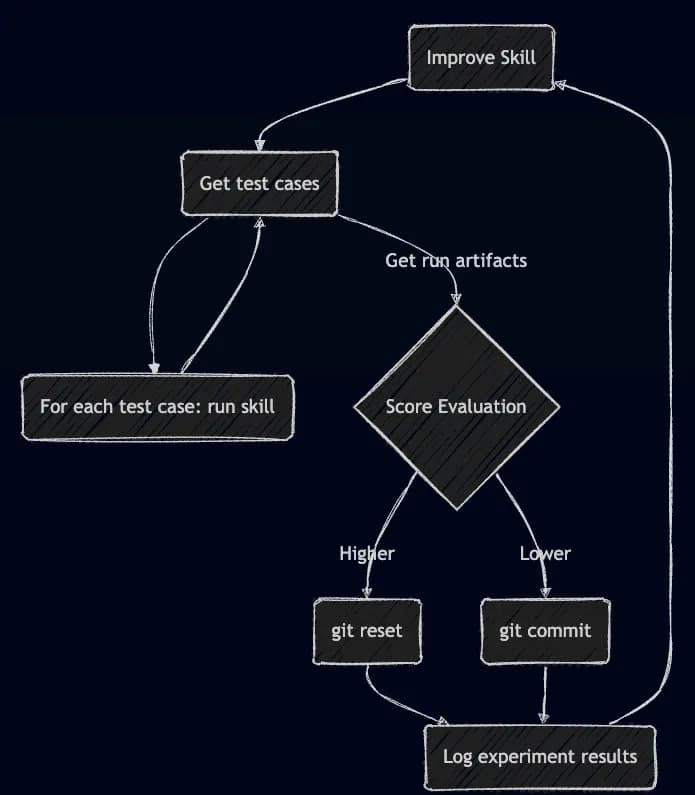
Karpathy's Autoresearch: Improving Agentic Coding Skills
Dev.to


