
DAG-STL: A Hierarchical Framework for Zero-Shot Trajectory Planning under Signal Temporal Logic Specifications
arXiv cs.RO / 4/21/2026
📰 NewsDeveloper Stack & InfrastructureModels & Research
Key Points
- The paper introduces DAG-STL, a hierarchical framework for zero-shot trajectory planning under Signal Temporal Logic (STL) specifications when system dynamics and environment structure are unknown.
- DAG-STL separates logical reasoning from trajectory realization by decomposing long-horizon STL goals into reachability/invariance progress conditions, then allocating timed waypoints using learned reachability-time estimates.
- It synthesizes trajectories between allocated waypoints with a diffusion-based generator, turning global planning into shorter subproblems that are easier to solve.
- To connect planning correctness with real-world feasibility, the work proposes a rollout-free dynamic consistency metric and an anytime refinement search to improve multiple waypoint-allocation hypotheses within limited compute budgets, along with hierarchical online replanning for execution-time recovery.
- Experiments on Maze2D, OGBench AntMaze, and Cube (plus a custom reference-based environment) show that DAG-STL substantially improves over direct robustness-guided diffusion and generalizes across navigation and manipulation tasks while keeping computational advantages over explicit-model optimization.
Related Articles

A practical guide to getting comfortable with AI coding tools
Dev.to
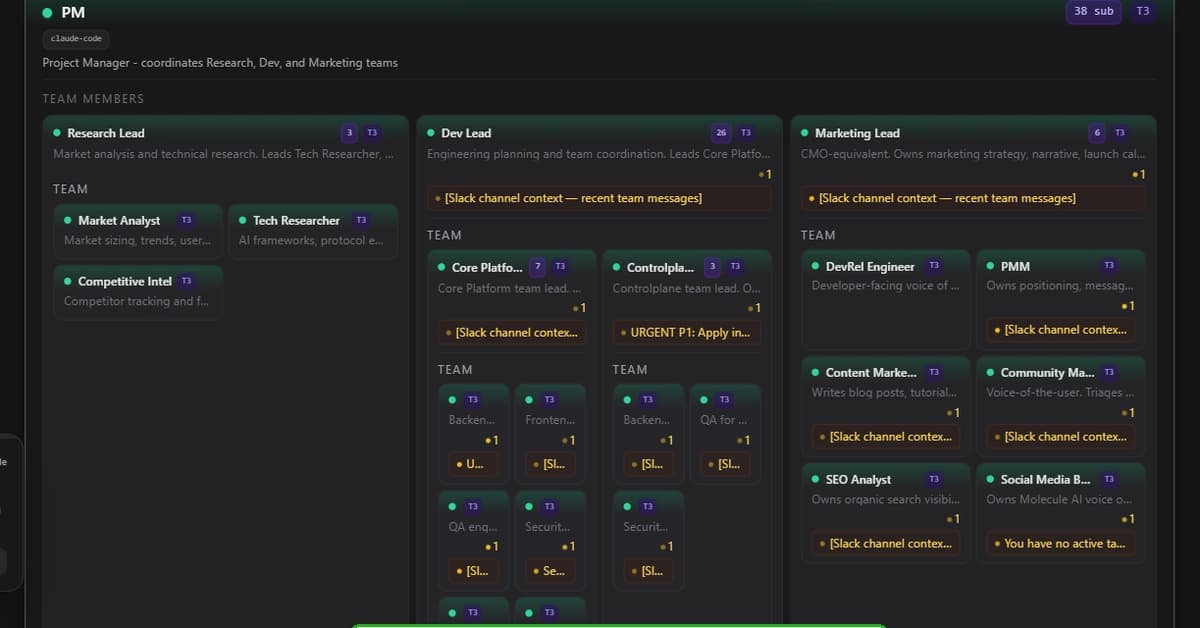
We built it during the NVIDIA DGX Spark Full-Stack AI Hackathon — and it ended up winning 1st place overall 🏆
Dev.to

Stop Losing Progress: Setting Up a Pro Jupyter Workflow in VS Code (No More Colab Timeouts!)
Dev.to
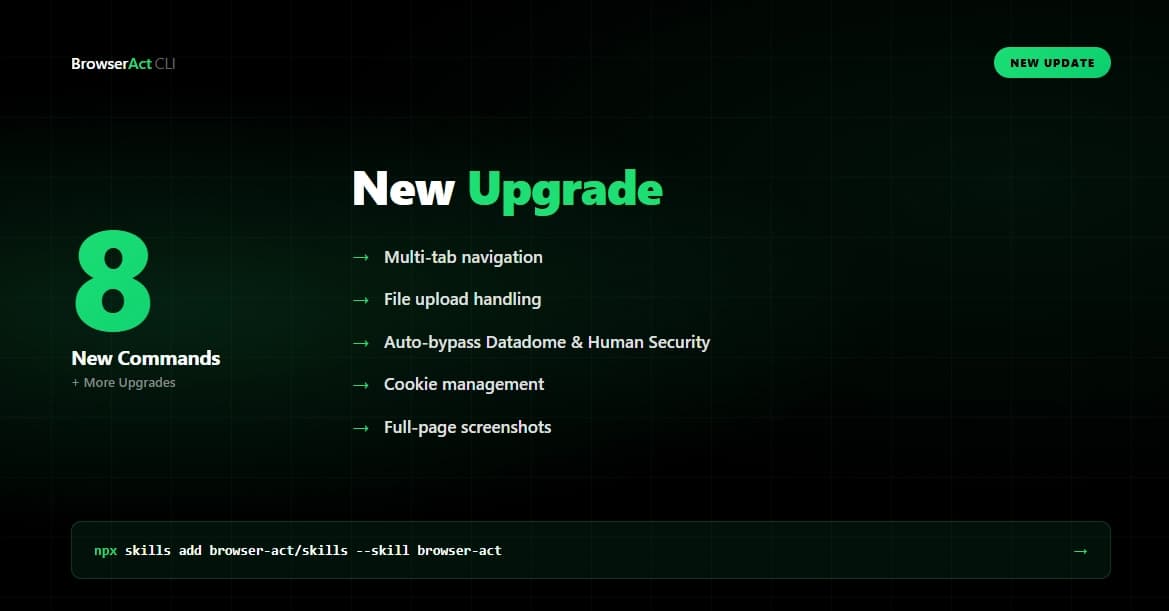
🚀 Major BrowserAct CLI Update
Dev.to

Building AgentOS: Why I’m Building the AWS Lambda for Insurance Claims
Dev.to


