
Fall Risk and Gait Analysis in Community-Dwelling Older Adults using World-Spaced 3D Human Mesh Recovery
arXiv cs.CV / 4/15/2026
📰 NewsSignals & Early TrendsIdeas & Deep AnalysisModels & Research
Key Points
- The study addresses limitations of traditional fall-risk assessment, which often relies on stopwatch-measured gait speed, by proposing a more informative video-based pipeline for community settings.
- It uses a 3D Human Mesh Recovery (HMR) model to extract Timed Up and Go (TUG) spatiotemporal gait parameters such as step time, sit-to-stand duration, and step length from videos.
- The authors report that video-derived step time significantly correlates with IMU-based insole measurements, supporting the pipeline’s measurement validity.
- Statistical modeling suggests that higher self-rated fall risk and fear of falling are associated with shorter and more variable step lengths as well as longer sit-to-stand durations.
- Overall, the work demonstrates an accessible and ecologically valid approach to gait analysis for older adults using recordings collected across different community centers.
Related Articles

Black Hat Asia
AI Business

The Complete Guide to Better Meeting Productivity with AI Note-Taking
Dev.to

5 Ways Real-Time AI Can Boost Your Sales Call Performance
Dev.to
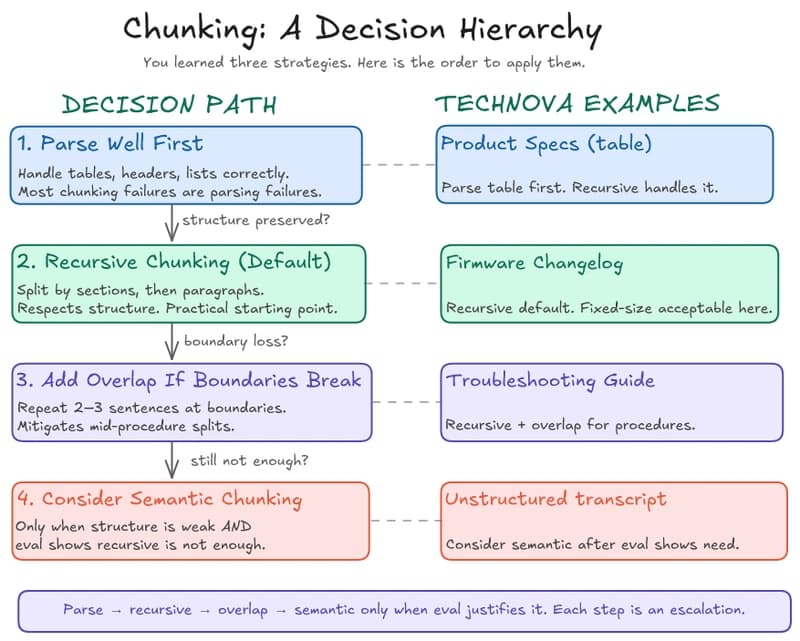
RAG in Practice — Part 4: Chunking, Retrieval, and the Decisions That Break RAG
Dev.to
Why dynamically routing multi-timescale advantages in PPO causes policy collapse (and a simple decoupled fix) [R]
Reddit r/MachineLearning


