
Automatic dental superimposition of 3D intraorals and 2D photographs for human identification
arXiv cs.CV / 4/8/2026
📰 NewsSignals & Early TrendsIdeas & Deep AnalysisModels & Research
Key Points
- The paper addresses a key bottleneck in forensic dental identification: time-consuming morphological comparison, especially when ante-mortem records are missing.
- It proposes an automatic 3D (post-mortem scan) to 2D (ante-mortem photo) computer-vision workflow that reconstructs the perspective of photos to enable direct morphological comparison.
- Two alignment strategies are presented—paired landmark registration and teeth-region segmentation to estimate camera parameters—both aiming for objective, quantitative scoring.
- On a large set of 20,164 cross comparisons from 142 samples, the methods achieve mean ranking values of 1.6 and 1.5, outperforming existing automatic dental chart filtering approaches.
- The approach produces interpretable superimposed visualizations alongside quantitative similarity scores, supporting more scalable and standardized human identification workflows.
Related Articles

Black Hat Asia
AI Business

The enforcement gap: why finding issues was never the problem
Dev.to
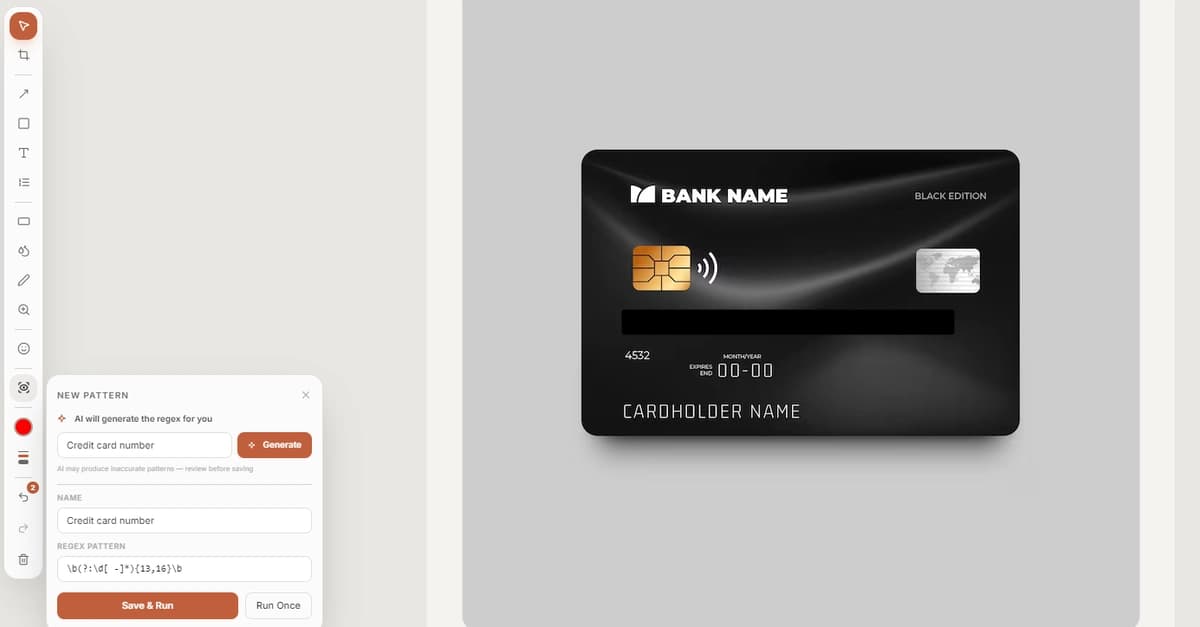
How I Built AI-Powered Auto-Redaction Into a Desktop Screenshot Tool
Dev.to

Agentic AI vs Traditional Automation: Why They Require Different Approaches in Modern Enterprises
Dev.to
Agentic AI vs Traditional Automation: Why Modern Enterprises Must Treat Them Differently
Dev.to


