
How Generative AI Disrupts Search: An Empirical Study of Google Search, Gemini, and AI Overviews
arXiv cs.CL / 5/1/2026
💬 OpinionSignals & Early TrendsIdeas & Deep AnalysisIndustry & Market MovesModels & Research
Key Points
- The study examines how generative AI changes web search by comparing Google Search, Google’s AI Overviews (AIO), and Gemini Flash 2.5 across 11,500 real user queries.
- AIOs are produced for 51.5% of real-user queries and are commonly shown above organic results, with controversial questions especially likely to trigger an AIO.
- Retrieved sources differ sharply across systems (less than 0.2 average Jaccard similarity), with traditional Google favoring popular/institutional government or education sites and generative engines more often selecting Google-owned content.
- Sites blocking Google’s AI crawler are far less likely to be retrieved by AIOs, even if they otherwise contain accessible content.
- AIO responses are less stable across repeated runs of the same query and more sensitive to small query edits, raising concerns about consistency and robustness in generative search.
- The authors argue this has major implications for website visibility, the effectiveness of “generative engine optimization” tactics, and information users receive, calling for revenue frameworks to support a sustainable publisher–generative search ecosystem.
💡 Insights using this article
This article is featured in our daily AI news digest — key takeaways and action items at a glance.
Related Articles

Black Hat USA
AI Business
Why Autonomous Coding Agents Keep Failing — And What Actually Works
Dev.to

Text-to-image is easy. Chaining LLMs to generate, critique, and iterate on images autonomously is a routing nightmare. AgentSwarms now supports Image generation playground and creative media workflows!
Reddit r/artificial
Why Enterprise AI Pilots Fail
Dev.to
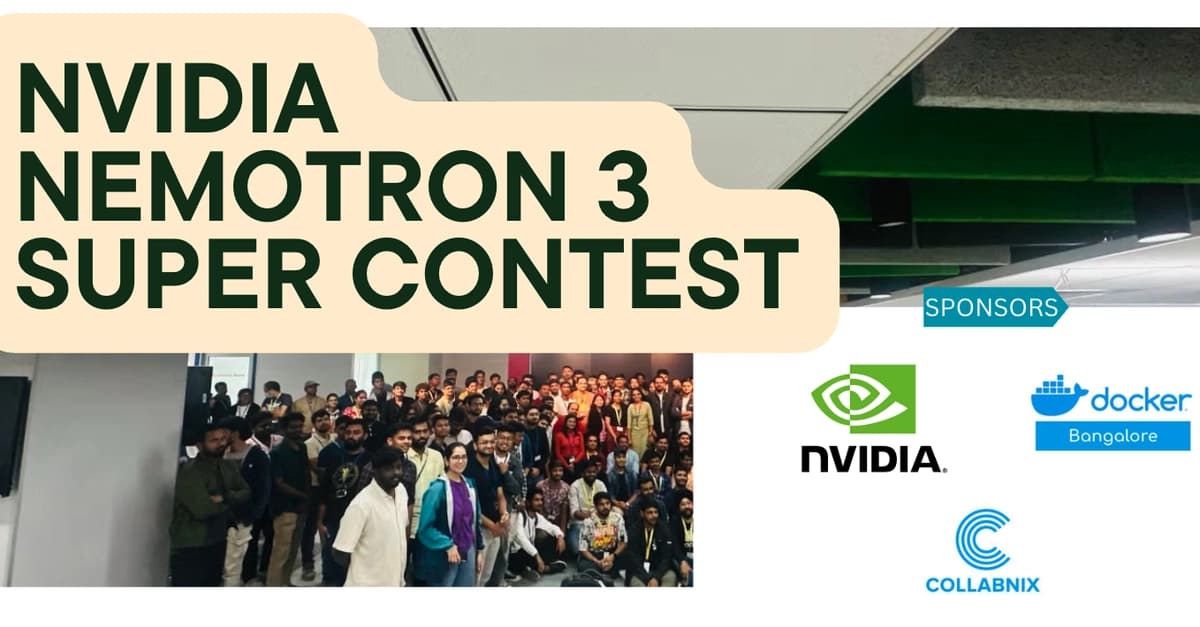
Announcing the NVIDIA Nemotron 3 Super Build Contest
Dev.to


