
AI-Mediated Explainable Regulation for Justice
arXiv cs.AI / 4/2/2026
💬 OpinionIdeas & Deep AnalysisModels & Research
Key Points
- The paper proposes an AI-mediated regulatory decision framework aimed at reducing the static, unexplained, and interest-group-influenced nature of current regulation-making.
- It argues for an explainable and adaptable-by-design system using distributed AI to generate regulatory recommendations that can evolve as facts or public values change.
- The approach models and reasons about multiple stakeholders via separate preference models and aggregates them in a “value sensitive” manner to support regulatory justice and legitimacy.
- It outlines mechanisms for how stakeholders can submit and verify their preferences, emphasizing transparency and the ability to audit whether preferences were properly considered.
- Overall, the authors position the system as a way to improve compliance and reduce perceptions of illegitimacy in the regulatory process by making decisions updateable and explainable.
Related Articles
v5.5.0
Transformers(HuggingFace)Releases
Bonsai (PrismML's 1 bit version of Qwen3 8B 4B 1.7B) was not an aprils fools joke
Reddit r/LocalLLaMA

Big Tech firms are accelerating AI investments and integration, while regulators and companies focus on safety and responsible adoption.
Dev.to
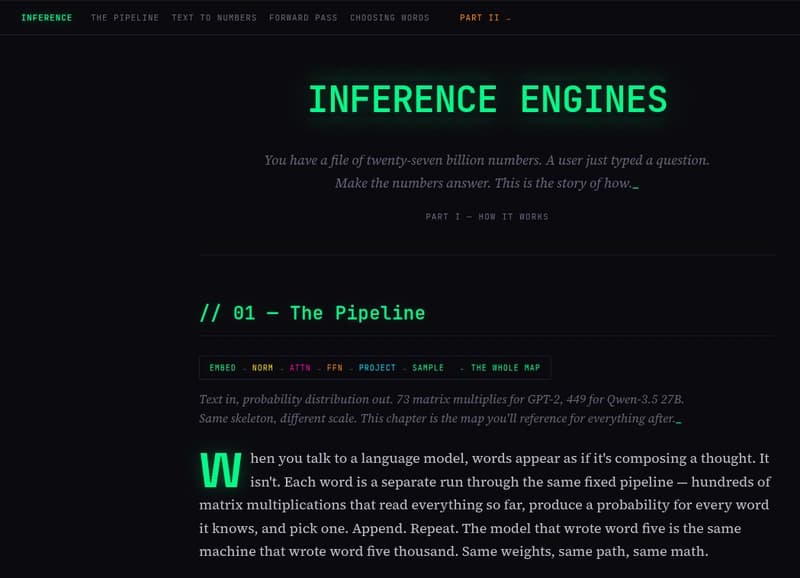
Inference Engines - A visual deep dive into the layers of an LLM
Dev.to
Surprised by how capable Qwen3.5 9B is in agentic flows (CodeMode)
Reddit r/LocalLLaMA


