
AI agents: architecture patterns, tools, and orchestration
Dev.to / 6/6/2026
💬 OpinionDeveloper Stack & InfrastructureIdeas & Deep AnalysisTools & Practical UsageModels & Research
Key Points
- AI agents are autonomous systems that use LLMs to observe their environment, plan actions, call tools, and iteratively repeat reasoning and execution until the task is complete.
- The core agent loop (task → reason → decide → tool execution → observe → repeat) replaces rigid, hardcoded workflows with dynamic, LLM-driven decision-making.
- Tools act as the agent’s interface to the outside world (e.g., web search, code execution, file/database access, and API calls), with the LLM selecting tools based on context.
- Memory and orchestration frameworks are key building blocks: short-term session context and long-term storage (often via vector databases) improve continuity, while frameworks like LangChain, CrewAI, and AutoGen simplify loop/tool/memory management.
- Common architecture patterns include ReAct and planning agents, but reliability is the biggest challenge, requiring safeguards such as human-in-the-loop approvals, iteration limits, and comprehensive logging for debugging.
Continue reading this article on the original site.
Read original →Related Articles

Black Hat USA
AI Business
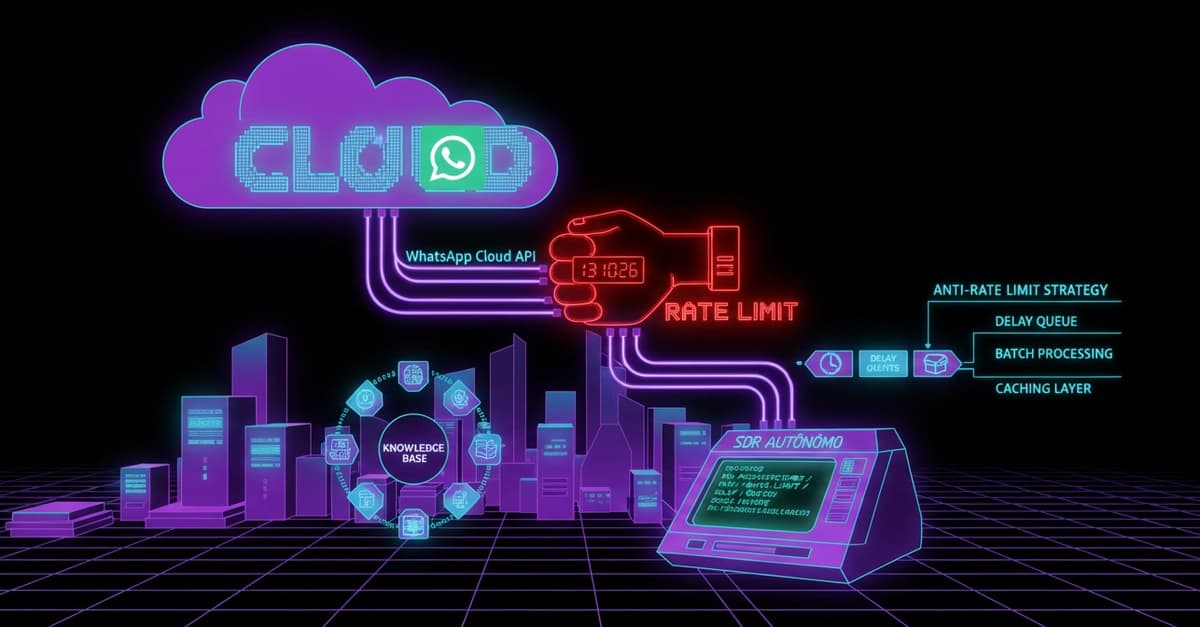
Arquitetura RAG para SDR Autônomo: Como evitamos o Rate Limit (131026) na WhatsApp Cloud API
Dev.to

Google Colab, but in your favourite terminal
Dev.to
Question for people building / researching / making with AI
Reddit r/artificial

Open Source, Co-Ops and a History of Bias in Corporate America
Dev.to


