
Apparent Age Estimation: Challenges and Outcomes
arXiv cs.LG / 4/7/2026
💬 OpinionIdeas & Deep AnalysisModels & Research
Key Points
- 見た目年齢推定はパーソナライゼーションに有用だが、既存モデルにはしばしば人口統計上のバイアスが残るという課題を整理している。
- DEX手法に対してMean-Variance Loss(MVL)やAdaptive Mean-Residue Loss(AMRL)などの分布学習アプローチを適用し、精度と公平性の両面で評価している。
- 実験ではAMRLが最先端の精度を達成する一方で、精度と人口統計的な公平性の間のトレードオフが残ることを示している。
- UMAP埋め込みには年齢クラスタリングが見られるにもかかわらず、サリエンシーマップでは特徴の注目がデモグラフィごとに一貫せず、アジア人やアフリカ系アメリカ人で大きな性能低下が起きると報告している。
- 技術的改良だけでは不十分であり、局所性を持つ多様なデータの統合と、公平性に関する厳格な検証プロトコルの遵守が必要だと主張している。
Related Articles

Big Tech firms are accelerating AI investments and integration, while regulators and companies focus on safety and responsible adoption.
Dev.to

Could it be that this take is not too far fetched?
Reddit r/LocalLLaMA

npm audit Is Broken — Here's the Claude Code Skill I Built to Fix It
Dev.to

Meta Launches Muse Spark: A New AI Model for Everyday Use
Dev.to
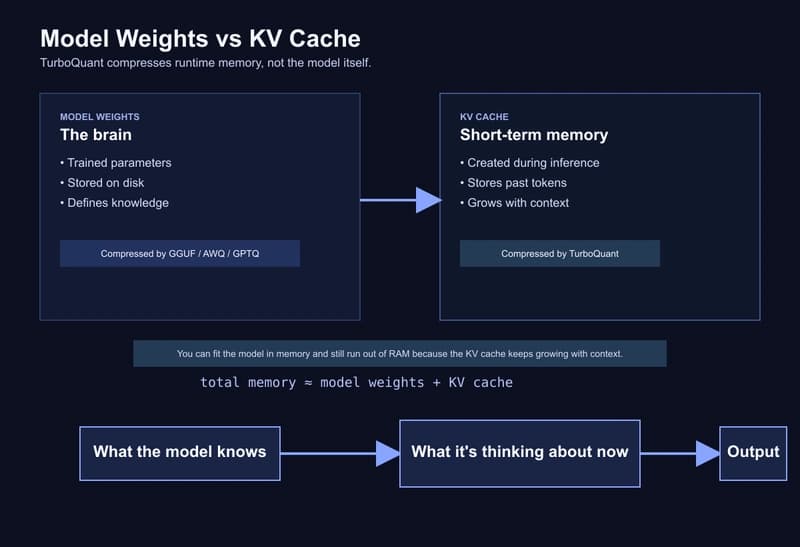
TurboQuant on a MacBook: building a one-command local stack with Ollama, MLX, and an automatic routing proxy
Dev.to


