
How to Correctly Make Mistakes: A Framework for Constructing and Benchmarking Mistake Aware Egocentric Procedural Videos
arXiv cs.CV / 4/17/2026
📰 NewsDeveloper Stack & InfrastructureModels & Research
Key Points
- The paper introduces PIE-V, a framework for creating and benchmarking egocentric procedural videos that include realistic human mistakes and subsequent recoveries.
- PIE-V augments clean “keystep” procedures with controlled, human-plausible deviations using an error planner and a correction planner that models recovery behavior.
- An LLM-based writer performs cascade-consistent rewrites, while an LLM judge checks and repairs procedural coherence to keep the resulting instructions and actions consistent.
- For evaluation, the authors propose a unified mistake taxonomy and a human rubric with nine metrics covering step-level and procedure-level quality, plausibility, and alignment between text and video.
- Experiments on 17 tasks and 50 Ego-Exo4D scenarios inject 102 mistakes and produce 27 recovery corrections, and the authors audit existing datasets and compare against an LLM freeform generation baseline under the same criteria.
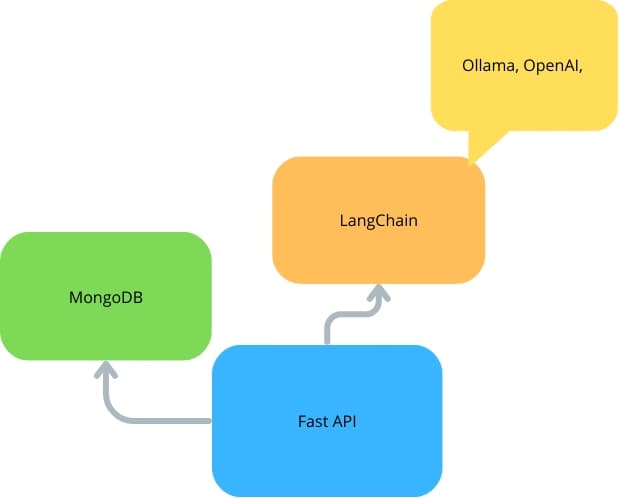
![[Patterns] AI Agent Error Handling That Actually Works](/_next/image?url=https%3A%2F%2Fmedia2.dev.to%2Fdynamic%2Fimage%2Fwidth%3D1200%2Cheight%3D627%2Cfit%3Dcover%2Cgravity%3Dauto%2Cformat%3Dauto%2Fhttps%253A%252F%252Fdev-to-uploads.s3.amazonaws.com%252Fuploads%252Farticles%252Frn5czaopq2vzo7cglady.png&w=3840&q=75)
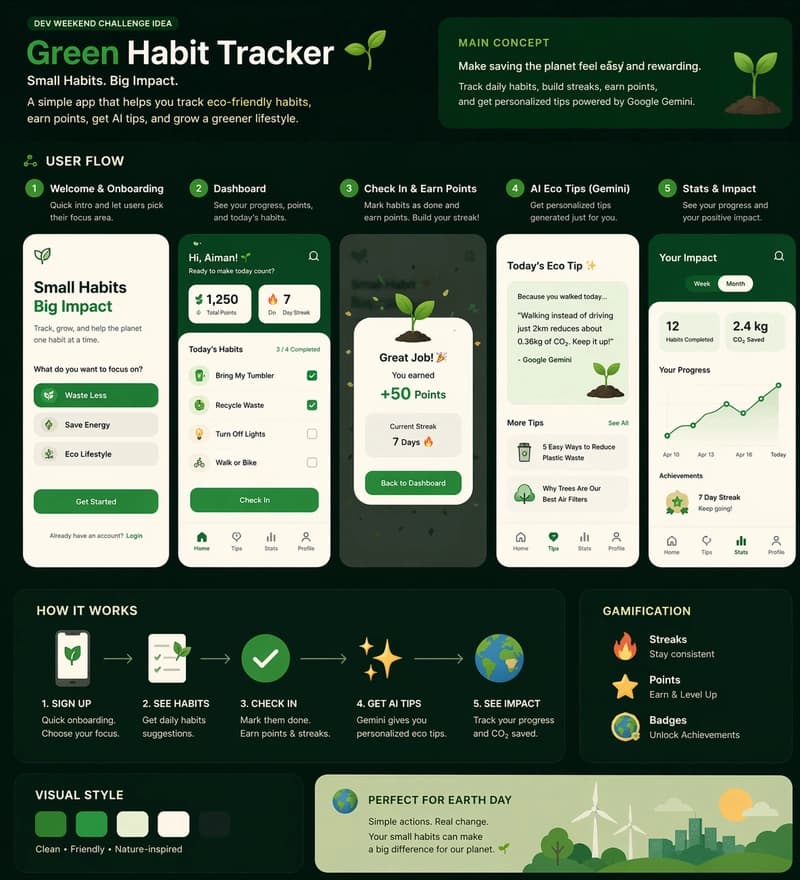
![[2026] OpenTelemetry for LLM Observability — Self-Hosted Setup](/_next/image?url=https%3A%2F%2Fmedia2.dev.to%2Fdynamic%2Fimage%2Fwidth%3D1200%2Cheight%3D627%2Cfit%3Dcover%2Cgravity%3Dauto%2Cformat%3Dauto%2Fhttps%253A%252F%252Fdev-to-uploads.s3.amazonaws.com%252Fuploads%252Farticles%252Flu4b6ttuhur71z5gemm0.png&w=3840&q=75)


