
Agentic AI platforms for autonomous training and rule induction of human-human and virus-human protein-protein interactions
arXiv cs.AI / 4/28/2026
📰 NewsDeveloper Stack & InfrastructureIdeas & Deep AnalysisModels & Research
Key Points
- The paper proposes two separate agentic AI platforms: one that autonomously trains predictive ML models for protein-protein interactions (PPIs) and another that induces explicit, human-readable rules for those interactions.
- The predictive platform uses a five-agent workflow covering autonomous data collection, verification, feature embedding, model design, and training/validation using three-way protein-disjoint cross-fold datasets.
- Reported performance for the three-way protein-disjoint ensemble is 87.3% accuracy for human-human PPIs and 86.5% accuracy for human-virus PPIs.
- The rule-induction platform generates interpretable rules using protein embeddings and other structured descriptors, with rule complexity differing between human-human (two rules) and human-virus (weighted multi-rule set) PPIs.
- The induced rules are reported to align with SHAP-identified features from the predictive models, showing the system can go from data planning to execution and from rule induction to explanation.
Related Articles

Big Tech firms are accelerating AI investments and integration, while regulators and companies focus on safety and responsible adoption.
Dev.to
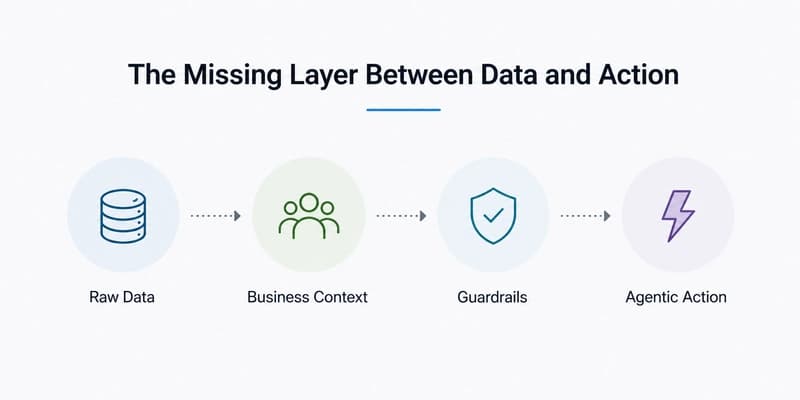
Everyone Wants AI Agents. Fewer Teams Are Ready for the Messy Business Context Behind Them
Dev.to
How to Build Traceable and Evaluated LLM Workflows Using Promptflow, Prompty, and OpenAI
MarkTechPost
AI 编程工具对比 2026:Claude Code vs Cursor vs Gemini CLI vs Codex
Dev.to

How I Improved My YouTube Shorts and Podcast Audio Workflow with AI Tools
Dev.to


