
Mastering Multi-Provider Routing with OpenRouter
Dev.to / 3/15/2026
💬 OpinionDeveloper Stack & InfrastructureTools & Practical Usage
Key Points
- The article argues against treating a single LLM provider as a highly available utility, highlighting the risk of outages, rate limiting, and 5xx errors, and advocates decoupling the application from vendor lock-in for enterprise-grade AI.
- It introduces the concept of a Unified Routing Plane, implemented via an API gateway like OpenRouter, which automatically reroutes requests to secondary models or alternative infrastructures to maintain availability and performance.
- It promotes Declarative JSON Routing (Infrastructure as Data), enabling routing policies to be managed dynamically by Platform or FinOps teams without redeploying application code.
- It provides a production-ready routing payload example showing model, messages, provider order, and fallbacks to illustrate how multi-provider routing is configured in practice.
- The piece suggests tangible benefits such as improved resilience, lower latency, and better unit economics for AI workloads when using multi-provider routing.
Continue reading this article on the original site.
Read original →💡 Insights using this article
This article is featured in our daily AI news digest — key takeaways and action items at a glance.
Related Articles

Black Hat USA
AI Business
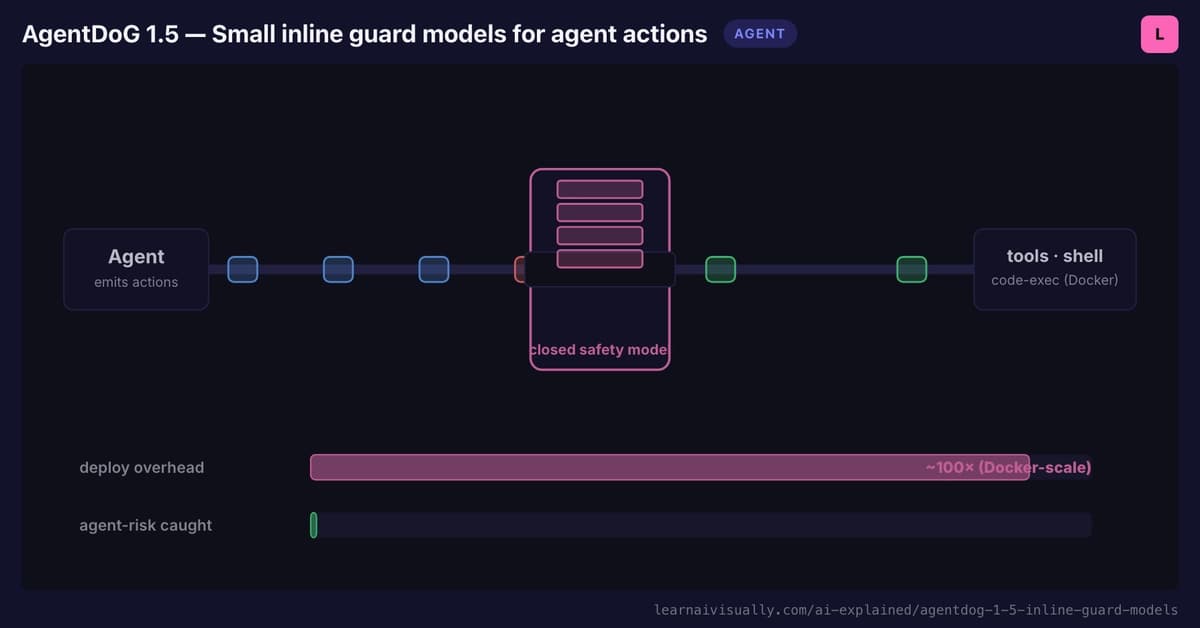
AgentDoG 1.5: Small Inline Guard Models for Agent Actions
Dev.to
LLM Cost Optimization: Cut AI Inference Costs 47–80% Without Sacrificing Quality
Dev.to

Every handle invocation on BizNode gets a WFID — a universal transaction reference for accountability. Full audit trail,...
Dev.to
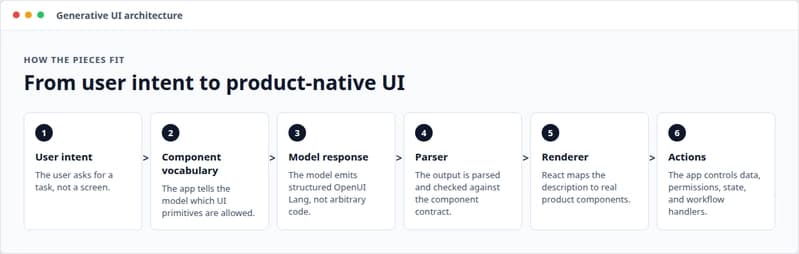
What Is Generative UI? (And Why Text Output Is No Longer Enough)
Dev.to


