
MedOpenClaw: Auditable Medical Imaging Agents Reasoning over Uncurated Full Studies
arXiv cs.CV / 3/27/2026
📰 NewsDeveloper Stack & InfrastructureSignals & Early TrendsIdeas & Deep AnalysisTools & Practical UsageModels & Research
Key Points
- The paper argues that current evaluations of medical vision-language models oversimplify clinical practice by using curated 2D images rather than requiring agents to explore full 3D, multi-sequence/multi-modality studies.
- It proposes MEDOPENCLAW, an auditable runtime that enables VLM-based agents to operate dynamically inside standard medical viewers/tools such as 3D Slicer.
- It introduces MEDFLOWBENCH, a full-study benchmark for multi-sequence brain MRI and lung CT/PET that compares agentic performance across viewer-only, tool-use, and open-method settings.
- Initial results show a performance paradox: strong LLM/VLMs can complete basic study navigation in viewer-only mode, but degrade when given access to professional support tools, attributed to insufficient precise spatial grounding.
- The authors position MEDOPENCLAW and MEDFLOWBENCH as a reproducible foundation for building and evaluating auditable, interactive medical imaging agents.
広告
💡 Insights using this article
This article is featured in our daily AI news digest — key takeaways and action items at a glance.
Related Articles
![[Boost]](/_next/image?url=https%3A%2F%2Fmedia2.dev.to%2Fdynamic%2Fimage%2Fwidth%3D800%252Cheight%3D%252Cfit%3Dscale-down%252Cgravity%3Dauto%252Cformat%3Dauto%2Fhttps%253A%252F%252Fdev-to-uploads.s3.amazonaws.com%252Fuploads%252Fuser%252Fprofile_image%252F3618325%252F470cf6d0-e54c-4ddf-8d83-e3db9f829f2b.jpg&w=3840&q=75)
[Boost]
Dev.to

Managing LLM context in a real application
Dev.to

Got My 39-Agent System Audited Live. Here's What the Maturity Scorecard Revealed.
Dev.to

OpenAI Killed Sora — Here's Your 10-Minute Migration Guide (Free API)
Dev.to
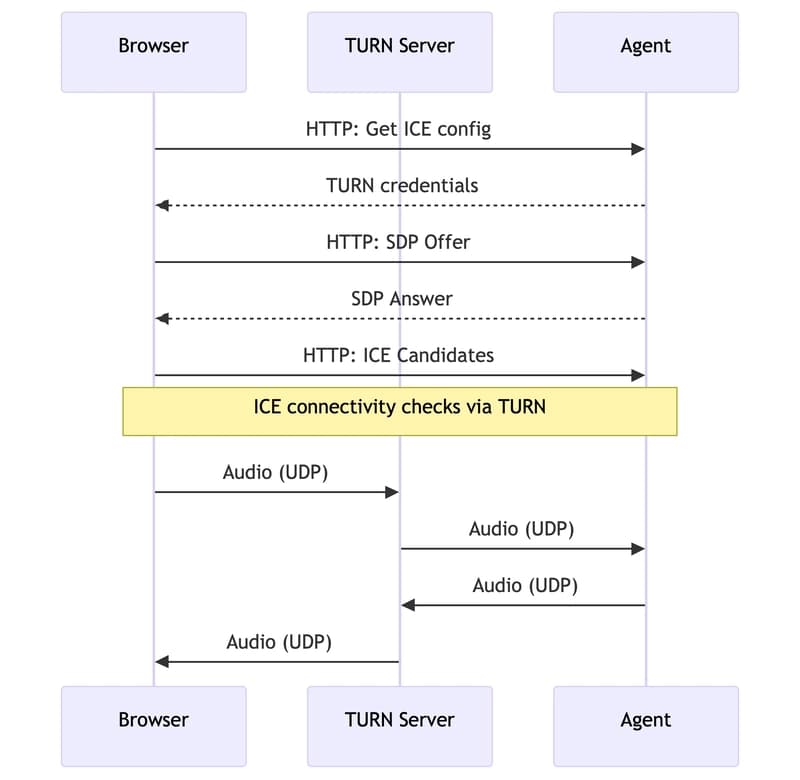
Switching my AI voice agent from WebSocket to WebRTC — what broke and what I learned
Dev.to


