
When Language Models Lose Their Mind: The Consequences of Brain Misalignment
arXiv cs.CL / 3/25/2026
💬 OpinionSignals & Early TrendsIdeas & Deep AnalysisModels & Research
Key Points
- The paper studies whether “brain alignment” in large language models (training to better match brain activity) is important for linguistic competence, an open question despite interest in safer, more trustworthy AI.
- It introduces intentionally brain-misaligned LLMs that preserve strong language-modeling performance while being poorly aligned with predicted brain activity.
- Evaluations across 200+ downstream NLP tasks spanning semantics, syntax, discourse, reasoning, and morphology show that brain misalignment significantly degrades downstream performance.
- The comparison with well-aligned counterparts isolates the effect of brain alignment on language understanding, linking neural representational alignment to robust linguistic abilities.
Related Articles

Lemonade 10.0.1 improves setup process for using AMD Ryzen AI NPUs on Linux
Reddit r/artificial
The 2026 Developer Showdown: Claude Code vs. Google Antigravity
Dev.to

Google March 2026 Spam Update: SEO Impact and What to Do Now | MKDM
Dev.to
CRM Development That Drives Growth
Dev.to
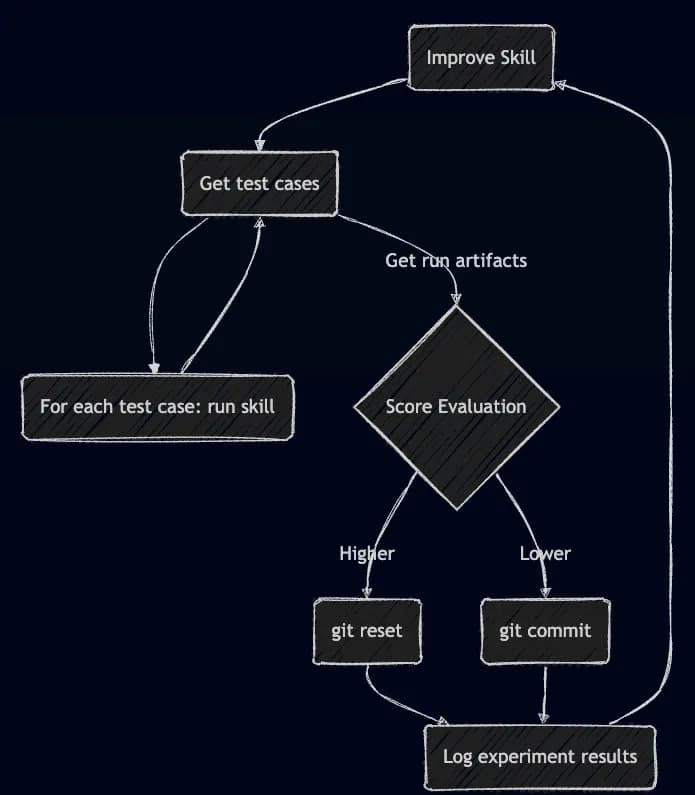
Karpathy's Autoresearch: Improving Agentic Coding Skills
Dev.to


