
Inverse Design of Inorganic Compounds with Generative AI
arXiv cs.LG / 4/15/2026
💬 OpinionSignals & Early TrendsIdeas & Deep AnalysisModels & Research
Key Points
- The paper/review argues that generative AI can shift chemistry workflows from property prediction (compound-to-property) to inverse design (property-to-compound) for inorganic materials.
- It reviews how limitations in applying AI to inorganic compounds—due to complexity of composition, geometry, symmetry, and electronic structure—have been addressed using evolving data-representation → model pipeline approaches.
- The analysis spans multiple inorganic system types, including inorganic molecules, crystals, transition metal complexes, and microporous materials.
- It highlights future needs such as standardized benchmarks and the creation of synthesizability metrics to make inverse-designed candidates practically realizable.
Related Articles

Black Hat Asia
AI Business

The Complete Guide to Better Meeting Productivity with AI Note-Taking
Dev.to

5 Ways Real-Time AI Can Boost Your Sales Call Performance
Dev.to
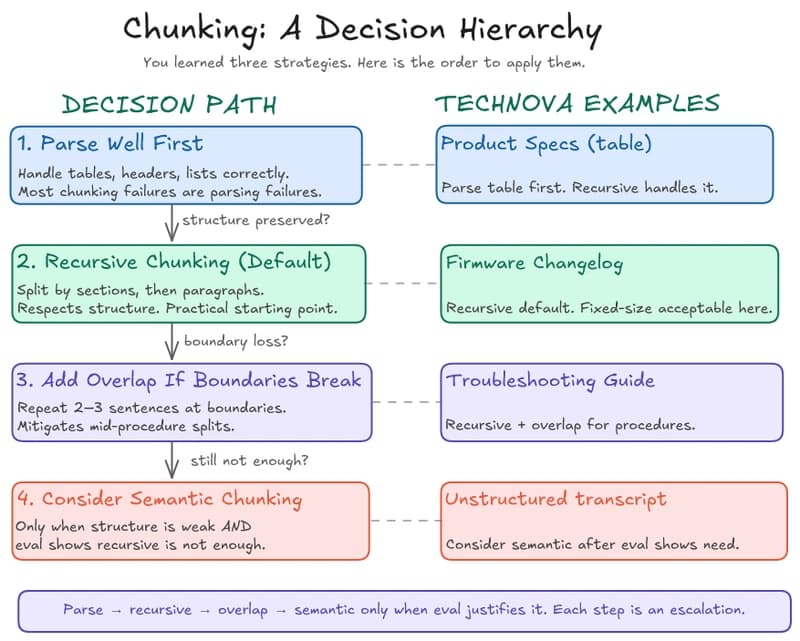
RAG in Practice — Part 4: Chunking, Retrieval, and the Decisions That Break RAG
Dev.to
Why dynamically routing multi-timescale advantages in PPO causes policy collapse (and a simple decoupled fix) [R]
Reddit r/MachineLearning


