
EditPropBench: Measuring Factual Edit Propagation in Scientific Manuscripts
arXiv cs.CL / 5/5/2026
📰 NewsIdeas & Deep AnalysisModels & Research
Key Points
- The paper introduces EditPropBench, a benchmark designed to evaluate how well LLM-based editors propagate a factual change through dependent claims in scientific manuscripts.
- Each benchmark item uses a synthetic, ML/NLP-style manuscript paired with a targeted edit and a fact graph annotated at the sentence level to distinguish direct targets, required downstream updates, and protected unrelated text.
- Across the benchmark’s more difficult implicit/free-form settings, results for five LLM editing systems vary substantially (ERA 0.148–0.705), and even the best system fails to capture about 30% of required cascade updates.
- Stress tests and metric analyses suggest LLM editors can outperform deterministic substitution baselines when easier, substitution-solvable cases are included, but reliable revision still needs cascade-aware verification.
- An audit of recent arXiv cs.CL papers finds fact-dependent qualitative claims appear in 37.2% of papers, underscoring the practical need for tools that handle non-local edit implications.
Related Articles
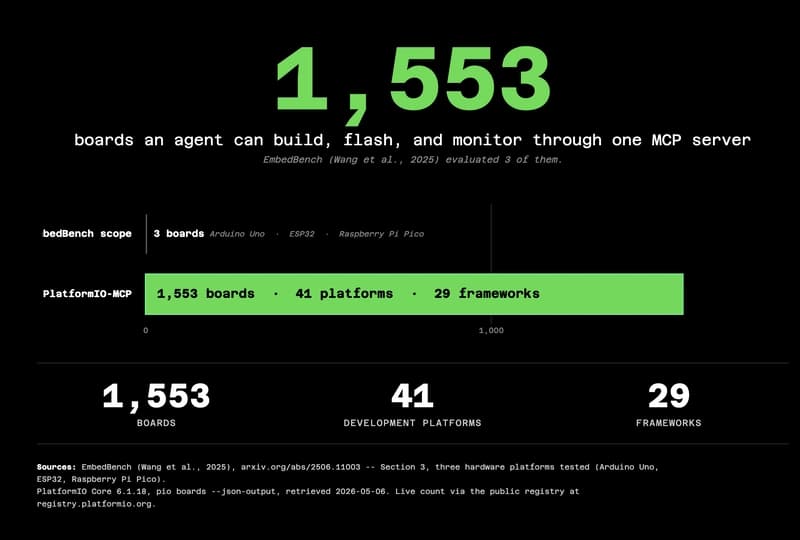
The 55.6% problem: why frontier LLMs fail at embedded code
Dev.to

Four CVEs in a week, all the same shape: when agents execute LLM-generated code
Dev.to
Healthcare AI Is Absorbing Institutional Knowledge It Can't Actually Hold
Reddit r/artificial
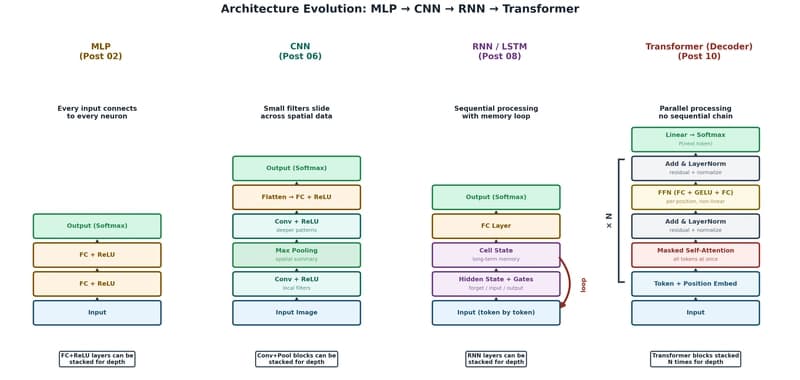
The Transformer: The Architecture Behind Modern AI
Dev.to

Foundational Models Defining a New Era in Vision: A Survey and Outlook
Dev.to


