
XGRAG: A Graph-Native Framework for Explaining KG-based Retrieval-Augmented Generation
arXiv cs.AI / 4/28/2026
📰 NewsIdeas & Deep AnalysisModels & Research
Key Points
- Graph-based Retrieval-Augmented Generation (GraphRAG) uses knowledge graphs to provide LLMs with more structured context, but its reasoning remains largely a black box.
- The paper introduces XGRAG, a new explainability framework that uses graph-based perturbations to generate causally grounded explanations for GraphRAG outputs.
- Experiments compare XGRAG with RAG-Ex (an XAI baseline for standard, text-based RAG) and show a 14.81% improvement in explanation quality measured by F1-score alignment with original answers.
- The authors also find XGRAG explanations correlate strongly with graph centrality metrics, indicating it captures underlying graph structure effectively.
- Overall, XGRAG aims to improve transparency and trust in RAG systems by making contributions of individual knowledge-graph components more quantifiable and interpretable.
Related Articles

Big Tech firms are accelerating AI investments and integration, while regulators and companies focus on safety and responsible adoption.
Dev.to
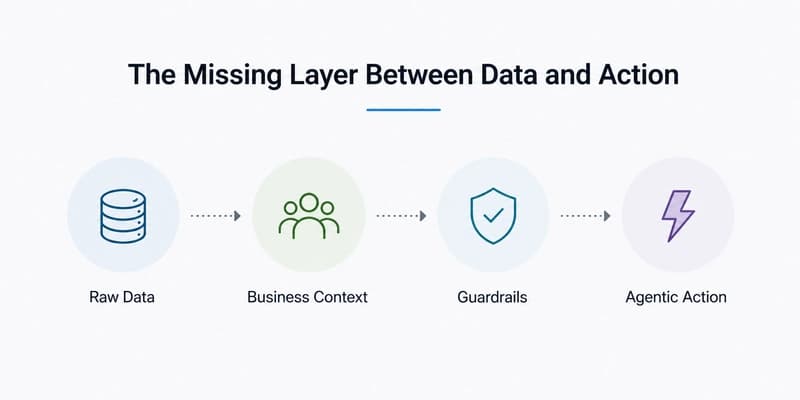
Everyone Wants AI Agents. Fewer Teams Are Ready for the Messy Business Context Behind Them
Dev.to
AI 编程工具对比 2026:Claude Code vs Cursor vs Gemini CLI vs Codex
Dev.to

How I Improved My YouTube Shorts and Podcast Audio Workflow with AI Tools
Dev.to

An improvement of the convergence proof of the ADAM-Optimizer
Dev.to


