
Fuel Consumption Prediction: A Comparative Analysis of Machine Learning Paradigms
arXiv cs.LG / 3/24/2026
💬 OpinionIdeas & Deep AnalysisModels & Research
Key Points
- The study analyzes vehicle fuel-consumption drivers using the Motor Trend dataset, arguing that physical design parameters—particularly vehicle weight and engine displacement—primarily govern efficiency.
- It applies data sanitization, statistical outlier removal, and exploratory data analysis to reduce multicollinearity among powertrain features before modeling.
- In a comparison of machine learning approaches, SVM Regression achieves the best continuous-prediction performance (R-squared 0.889, RMSE 0.326) and captures non-linear effects between mass and displacement.
- Logistic Regression performs best for classification tasks, reaching 90.8% accuracy and very high recall (0.957) for identifying low-efficiency vehicles.
- The results contend that for static physical datasets, well-tuned classical and interpretable models can outperform or validate against black-box deep learning trends.
Related Articles
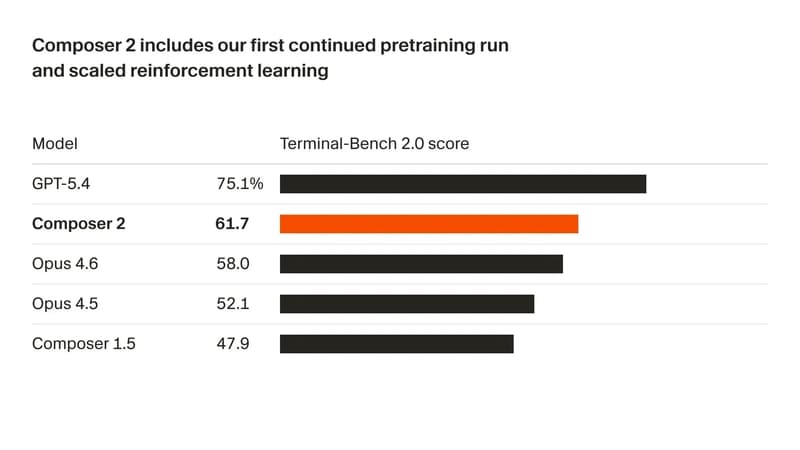
Composer 2: What is new and Compares with Claude Opus 4.6 & GPT-5.4
Dev.to
How UCP Breaks Your E-Commerce Tracking Stack: A Platform-by-Platform Analysis
Dev.to
AI Text Analyzer vs Asking Friends: Which Gives Better Perspective?
Dev.to
[D] Cathie wood claims ai productivity wave is starting, data shows 43% of ceos save 8+ hours weekly
Reddit r/MachineLearning

Microsoft hires top AI researchers from Allen Institute for AI for Suleyman's Superintelligence team
THE DECODER


