
From Static Templates to Dynamic Runtime Graphs: A Survey of Workflow Optimization for LLM Agents
arXiv cs.AI / 3/25/2026
💬 OpinionSignals & Early TrendsIdeas & Deep AnalysisModels & Research
Key Points
- The article surveys how LLM agents can construct executable workflows that combine LLM calls, retrieval, tool use, code execution, memory updates, and verification.
- It frames these workflows as agentic computation graphs (ACGs) and classifies methods by when the workflow structure is decided (static vs dynamic), what is optimized, and what signals guide optimization (task metrics, verifier signals, preferences, or trace feedback).
- It distinguishes reusable workflow templates from run-specific realized graphs and from execution traces, helping separate design-time decisions from what actually happens at runtime.
- The survey proposes a structure-aware evaluation approach that goes beyond task success metrics to include graph properties, execution cost, robustness, and how structural variation changes across inputs.
- The stated aim is to provide a shared vocabulary and unified framework to improve comparability, reproducibility, and evaluation standards for future workflow-optimization research.
Related Articles

Lemonade 10.0.1 improves setup process for using AMD Ryzen AI NPUs on Linux
Reddit r/artificial
The 2026 Developer Showdown: Claude Code vs. Google Antigravity
Dev.to

Google March 2026 Spam Update: SEO Impact and What to Do Now | MKDM
Dev.to
CRM Development That Drives Growth
Dev.to
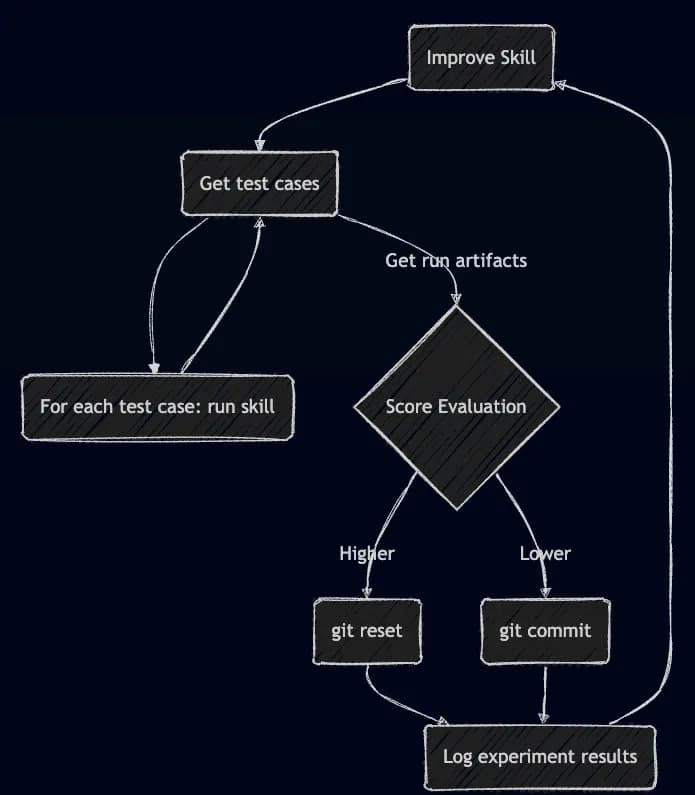
Karpathy's Autoresearch: Improving Agentic Coding Skills
Dev.to


