
Purging the Gray Zone: Latent-Geometric Denoising for Precise Knowledge Boundary Awareness
arXiv cs.CL / 4/17/2026
📰 NewsDeveloper Stack & InfrastructureModels & Research
Key Points
- The paper addresses LLM hallucinations by focusing on the model’s difficulty in recognizing its own knowledge boundaries, especially near decision boundaries.
- It argues that a “gray zone” exists close to the decision hyperplane where internal belief ambiguity—not just labeling—drives poor performance and leads to more abstentions or hallucinations.
- The authors propose GeoDe (Geometric Denoising) for abstention fine-tuning, building a truth hyperplane via linear probes and using geometric distance to estimate confidence for abstention.
- Their experiments on models such as Llama3 and Qwen3 across TriviaQA, NQ, SciQ, and SimpleQA show improved truthfulness and strong out-of-distribution generalization.
- The project provides an implementation at the linked GitHub repository, enabling others to reproduce and build on the method.
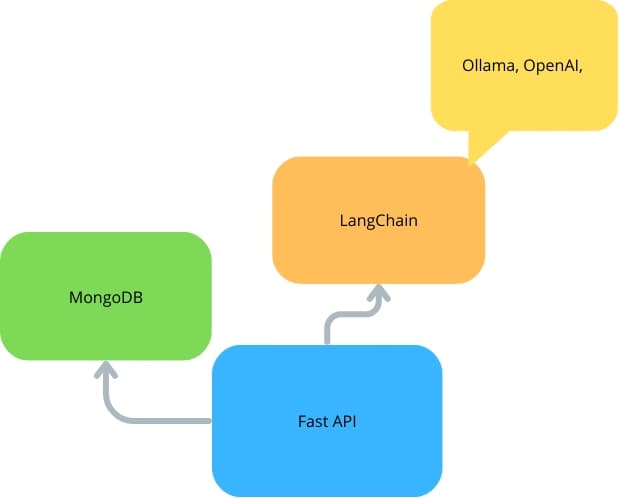
![[Patterns] AI Agent Error Handling That Actually Works](/_next/image?url=https%3A%2F%2Fmedia2.dev.to%2Fdynamic%2Fimage%2Fwidth%3D1200%2Cheight%3D627%2Cfit%3Dcover%2Cgravity%3Dauto%2Cformat%3Dauto%2Fhttps%253A%252F%252Fdev-to-uploads.s3.amazonaws.com%252Fuploads%252Farticles%252Frn5czaopq2vzo7cglady.png&w=3840&q=75)
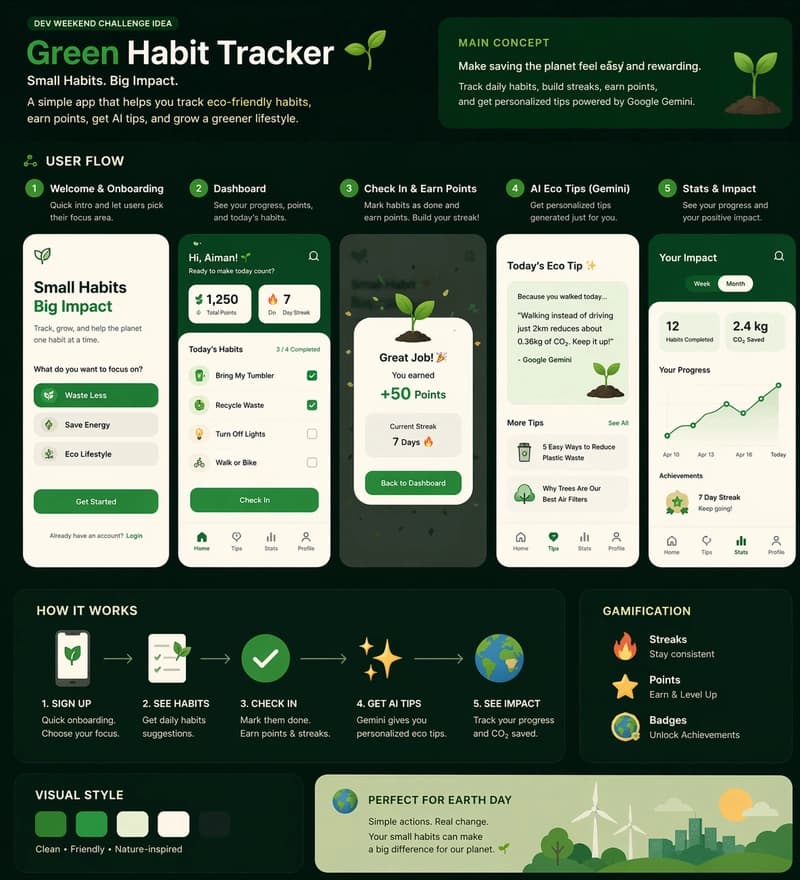
![[2026] OpenTelemetry for LLM Observability — Self-Hosted Setup](/_next/image?url=https%3A%2F%2Fmedia2.dev.to%2Fdynamic%2Fimage%2Fwidth%3D1200%2Cheight%3D627%2Cfit%3Dcover%2Cgravity%3Dauto%2Cformat%3Dauto%2Fhttps%253A%252F%252Fdev-to-uploads.s3.amazonaws.com%252Fuploads%252Farticles%252Flu4b6ttuhur71z5gemm0.png&w=3840&q=75)


