
UKP_Psycontrol at SemEval-2026 Task 2: Modeling Valence and Arousal Dynamics from Text
arXiv cs.CL / 4/24/2026
📰 NewsSignals & Early TrendsModels & Research
Key Points
- The paper describes a SemEval-2026 Task 2 system for modeling both a user’s current affect and short-term affective change from chronologically ordered texts.
- It evaluates three complementary methods: LLM prompting (user-aware vs user-agnostic), a pairwise MaxEnt model with Ising-style interactions for transition structure, and a lightweight neural regression model using affective trajectories plus trainable user embeddings.
- The results suggest LLMs are better at extracting static affective cues from text, while short-term affect variation is better explained by recent numeric affect trajectories than by textual semantics.
- The proposed system achieved first place among participating teams in Subtask 1 and Subtask 2A according to the official evaluation metric.
Related Articles
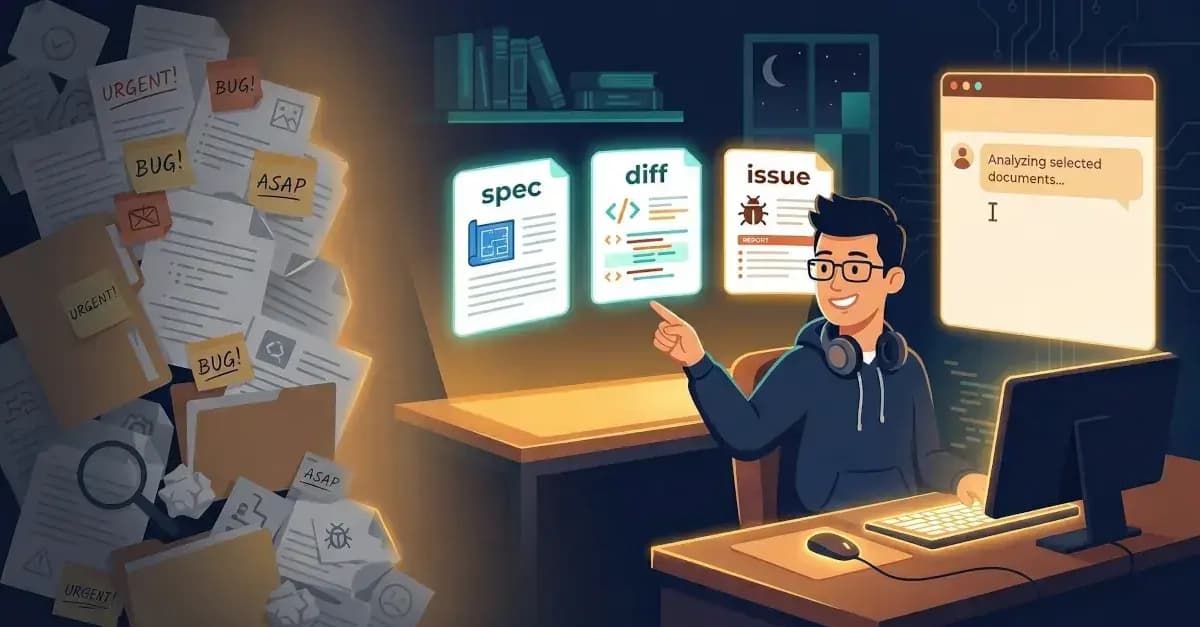
Context Engineering for Developers: A Practical Guide (2026)
Dev.to
GPT-5.5 is here. So is DeepSeek V4. And honestly, I am tired of version numbers.
Dev.to

AI Visibility Tracking Exploded in 2026: 6 Tools Every Brand Needs Now
Dev.to
I Built an AI Image Workflow with GPT Image 2.0 (+ Fixing Its Biggest Flaw)
Dev.to
Max-and-Omnis/Nemotron-3-Super-64B-A12B-Math-REAP-GGUF
Reddit r/LocalLLaMA


