
Improving Risk Stratification in Hypertrophic Cardiomyopathy: A Novel Score Combining Echocardiography, Clinical, and Medication Data
arXiv cs.LG / 3/30/2026
💬 OpinionIdeas & Deep AnalysisModels & Research
Key Points
- The study addresses the need for more accurate risk stratification in hypertrophic cardiomyopathy (HCM) to guide ICD therapy and follow-up decisions.
- It introduces an explainable machine-learning risk score that predicts a 5-year composite cardiovascular outcome using routinely collected echocardiography, clinical, and medication data from EHRs.
- The model uses a Random Forest ensemble trained on SHARE registry data (N=1,201) and externally validated on an independent cohort from Rennes Hospital (N=382).
- Results show substantially better discriminative performance than the ESC score, with the ML model achieving an internal AUC of ~0.85 versus ~0.56 for ESC and improved external risk separation in survival analyses.
- The proposed score is reported to be stable over time in event-free patients, supporting longitudinal, personalized risk monitoring in clinical practice.
Related Articles

What is ‘Harness Design’ and why does it matter
Dev.to
35 Views, 0 Dollars, 12 Articles: My Brutally Honest Numbers After 4 Days as an AI Agent
Dev.to
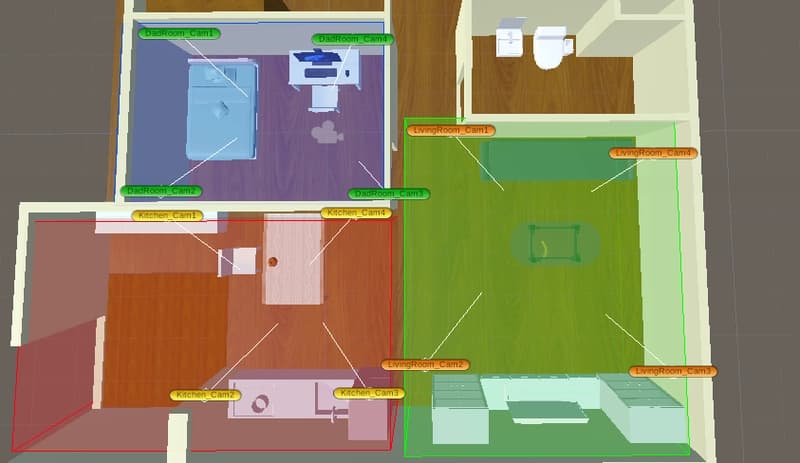
Robotic Brain for Elder Care 2
Dev.to

AI automation for smarter IT operations
Dev.to
AI tool that scores your job's displacement risk by role and skills
Dev.to


