
An empirical evaluation of the risks of AI model updates using clinical data: stability, arbitrariness, and fairness
arXiv cs.AI / 4/28/2026
💬 OpinionDeveloper Stack & InfrastructureIdeas & Deep AnalysisModels & Research
Key Points
- The study addresses how AI/ML models used in clinical decision-making can degrade when training data become stale, especially due to demographic or behavioral changes.
- Using four U.S.-based Type 1 Diabetes datasets with high-resolution continuous glucose monitoring data, the authors evaluate how model update strategies can create additional risks beyond improved accuracy.
- The evaluation shows that model updates may harm stability by causing large numbers of predictions to “flip” after an update, while also increasing arbitrariness in prediction behavior.
- The authors further assess fairness impacts, finding that updates can worsen accuracy equity and disrupt error-rate balance across sociodemographic subpopulations.
- They propose a continuous monitoring framework with multiple dimensions to detect stability, arbitrariness, and fairness failures, arguing it is essential for trustworthy clinical decision support.
Related Articles

Big Tech firms are accelerating AI investments and integration, while regulators and companies focus on safety and responsible adoption.
Dev.to
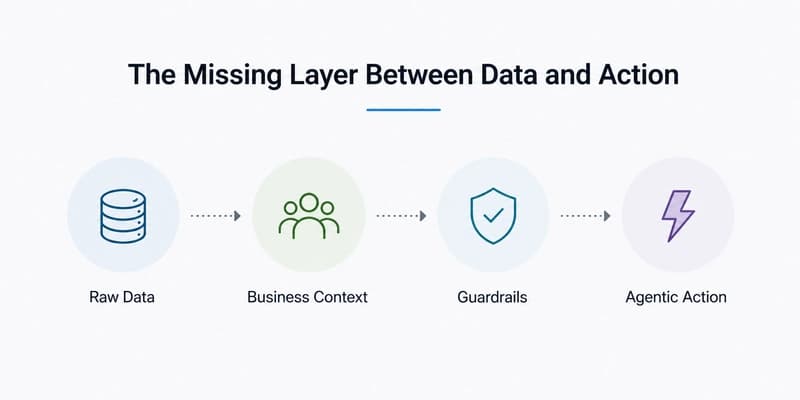
Everyone Wants AI Agents. Fewer Teams Are Ready for the Messy Business Context Behind Them
Dev.to
How to Build Traceable and Evaluated LLM Workflows Using Promptflow, Prompty, and OpenAI
MarkTechPost
AI 编程工具对比 2026:Claude Code vs Cursor vs Gemini CLI vs Codex
Dev.to

How I Improved My YouTube Shorts and Podcast Audio Workflow with AI Tools
Dev.to


