
Cognitive Mismatch in Multimodal Large Language Models for Discrete Symbol Understanding
arXiv cs.AI / 3/20/2026
📰 NewsIdeas & Deep AnalysisModels & Research
Key Points
- The paper introduces a benchmark to evaluate multimodal large language models on discrete symbol understanding across language, culture, mathematics, physics, and chemistry.
- It reports a cognitive mismatch where models struggle with basic symbol recognition yet perform surprisingly well on some reasoning tasks, suggesting reliance on linguistic probabilities rather than true perception.
- The findings reveal a significant gap in current AI capabilities for truly perceiving and understanding symbolic languages that underpin scientific discovery.
- The work provides a roadmap for developing more rigorous, human-aligned intelligent systems.
Related Articles
Day 10: 230 Sessions of Hustle and It Comes Down to One Person Reading a Document
Dev.to

5 Dangerous Lies Behind Viral AI Coding Demos That Break in Production
Dev.to
Two bots, one confused server: what Nimbus revealed about AI agent identity
Dev.to
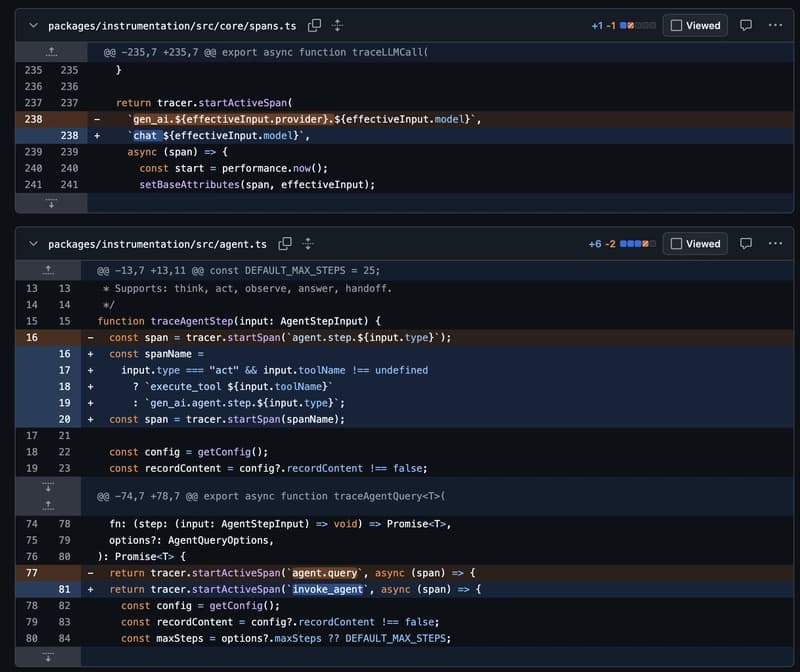
OpenTelemetry just standardized LLM tracing. Here's what it actually looks like in code.
Dev.to
PIXIU: A Large Language Model, Instruction Data and Evaluation Benchmark forFinance
Dev.to


