
Agent-Aided Design for Dynamic CAD Models
arXiv cs.AI / 4/17/2026
📰 NewsDeveloper Stack & InfrastructureModels & Research
Key Points
- The paper introduces “Agent-Aided Design,” an agentic approach where an agent iteratively writes code, generates CAD models, visualizes results, and refines code using feedback in a training-free setup.
- It identifies a major limitation of existing systems: they generally cannot construct complex 3D assemblies that include moving parts (e.g., pistons, pendulums, or scissors).
- The authors present AADvark, a prototype designed to generate such assemblies by explicitly modeling dynamic interactions using one or more degrees of freedom.
- To overcome LLMs’ weak spatial reasoning, AADvark integrates external constraint solver tools and a specialized visual feedback mechanism, strengthened by modifications to FreeCAD and an assembly solver.
- The work claims that these tool and feedback changes provide a strong verification signal, enabling the system to build CAD assemblies with movable parts.
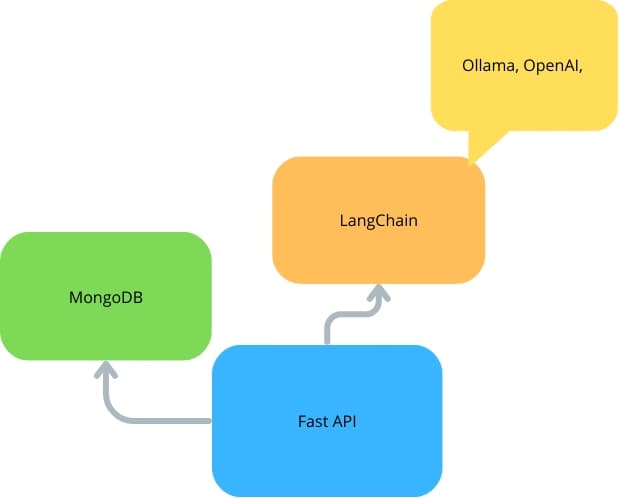
![[Patterns] AI Agent Error Handling That Actually Works](/_next/image?url=https%3A%2F%2Fmedia2.dev.to%2Fdynamic%2Fimage%2Fwidth%3D1200%2Cheight%3D627%2Cfit%3Dcover%2Cgravity%3Dauto%2Cformat%3Dauto%2Fhttps%253A%252F%252Fdev-to-uploads.s3.amazonaws.com%252Fuploads%252Farticles%252Frn5czaopq2vzo7cglady.png&w=3840&q=75)
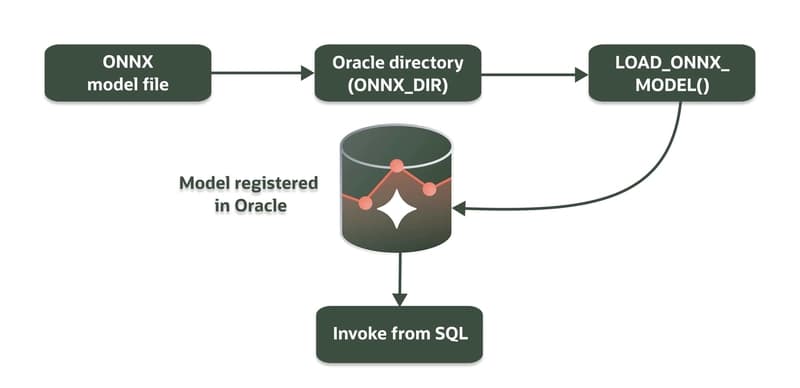
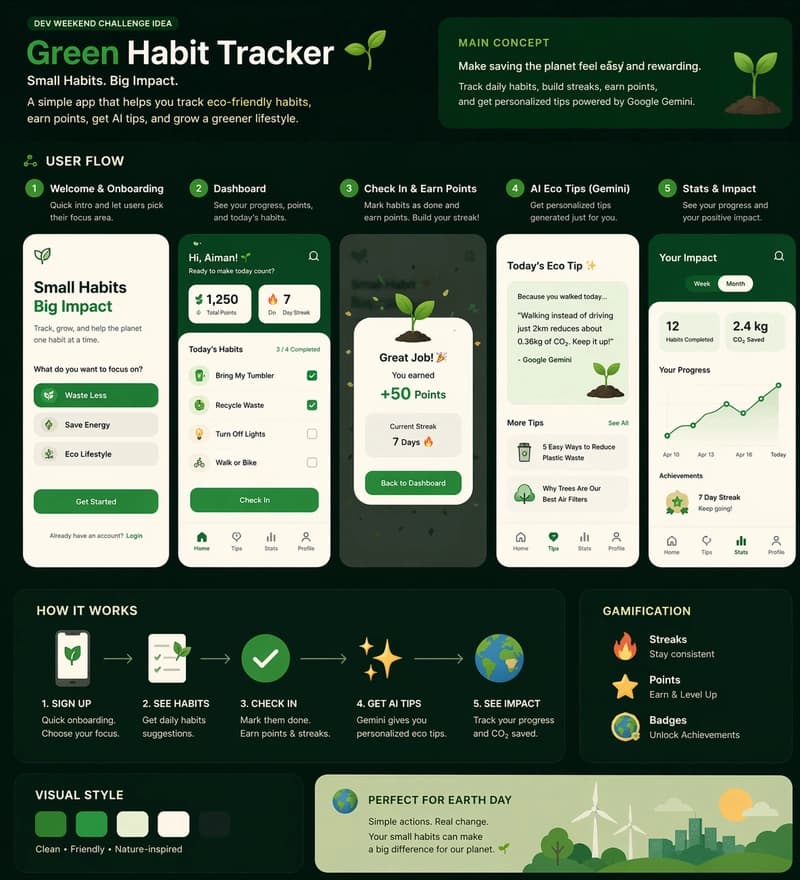
![[2026] OpenTelemetry for LLM Observability — Self-Hosted Setup](/_next/image?url=https%3A%2F%2Fmedia2.dev.to%2Fdynamic%2Fimage%2Fwidth%3D1200%2Cheight%3D627%2Cfit%3Dcover%2Cgravity%3Dauto%2Cformat%3Dauto%2Fhttps%253A%252F%252Fdev-to-uploads.s3.amazonaws.com%252Fuploads%252Farticles%252Flu4b6ttuhur71z5gemm0.png&w=3840&q=75)


