
OpenMobile: Building Open Mobile Agents with Task and Trajectory Synthesis
arXiv cs.AI / 4/17/2026
📰 NewsDeveloper Stack & InfrastructureSignals & Early TrendsModels & Research
Key Points
- The paper introduces OpenMobile, an open-source framework for building mobile agents by synthesizing high-quality task instructions and agent trajectories for vision-language model–powered mobile automation.
- OpenMobile uses a scalable task-synthesis pipeline that builds a global environment memory from exploration, then generates diverse and grounded instructions based on that memory.
- It also proposes a policy-switching strategy during trajectory rollout, alternating learner and expert models to capture error-recovery signals that are often missing in standard imitation learning.
- Agents trained on OpenMobile’s data show strong results on three mobile-agent benchmarks, with fine-tuned Qwen2.5-VL and Qwen3-VL reaching 51.7% and 64.7% on AndroidWorld, outperforming prior open-data approaches.
- The authors provide transparent analyses to show that performance improvements come from broader functionality coverage rather than benchmark overfitting, and they release code and data to support further research.
Related Articles

Reported ban on ‘sex robots’ by online platform fuels debate on AI boundaries and content moderation
Reddit r/artificial
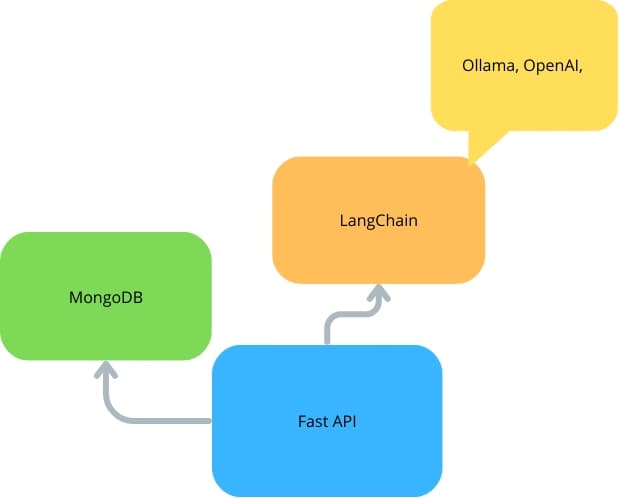
FastAPI With LangChain and MongoDB
Dev.to
Best AI Game Creator in 2026
Dev.to
![[Patterns] AI Agent Error Handling That Actually Works](/_next/image?url=https%3A%2F%2Fmedia2.dev.to%2Fdynamic%2Fimage%2Fwidth%3D1200%2Cheight%3D627%2Cfit%3Dcover%2Cgravity%3Dauto%2Cformat%3Dauto%2Fhttps%253A%252F%252Fdev-to-uploads.s3.amazonaws.com%252Fuploads%252Farticles%252Frn5czaopq2vzo7cglady.png&w=3840&q=75)
[Patterns] AI Agent Error Handling That Actually Works
Dev.to
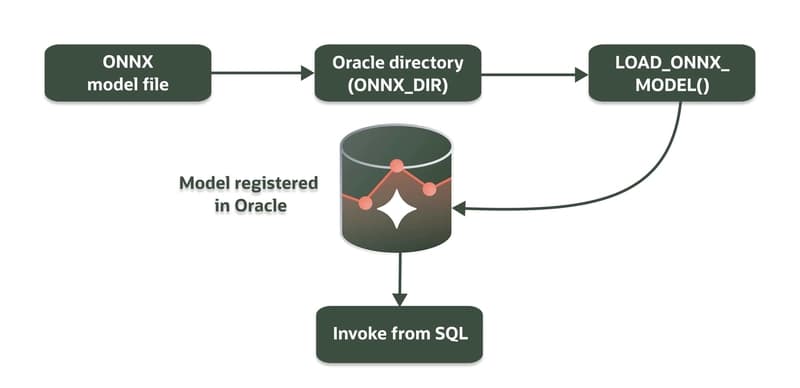
Building ONNX Embedding Workflows in Oracle AI Database with Python
Dev.to


