
LPC-SM: Local Predictive Coding and Sparse Memory for Long-Context Language Modeling
arXiv cs.CL / 4/7/2026
📰 NewsIdeas & Deep AnalysisModels & Research
Key Points
- The paper introduces LPC-SM, a hybrid autoregressive long-context language model architecture that splits sequence handling into local attention, persistent memory, predictive correction, and run-time control within each block.
Related Articles

Big Tech firms are accelerating AI investments and integration, while regulators and companies focus on safety and responsible adoption.
Dev.to

Could it be that this take is not too far fetched?
Reddit r/LocalLLaMA
npm audit Is Broken — Here's the Claude Code Skill I Built to Fix It
Dev.to

Meta Launches Muse Spark: A New AI Model for Everyday Use
Dev.to
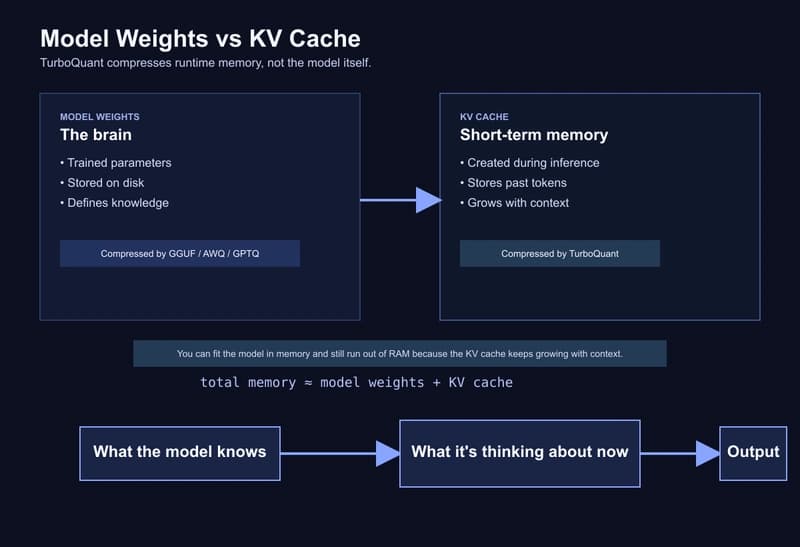
TurboQuant on a MacBook: building a one-command local stack with Ollama, MLX, and an automatic routing proxy
Dev.to


