
On the Reliability Limits of LLM-Based Multi-Agent Planning
arXiv stat.ML / 3/31/2026
💬 OpinionSignals & Early TrendsIdeas & Deep AnalysisModels & Research
Key Points
- The paper analyzes reliability limits of LLM-based multi-agent planning by modeling it as a finite acyclic decision network where agents share context, communicate via limited-capacity language channels, and may require human review.
- It proves that without additional (exogenous) signals, any delegated multi-agent network is decision-theoretically dominated by a centralized Bayes decision maker with the same information.
- In a common-evidence setting, the authors show that optimizing multi-agent directed acyclic graphs with a finite communication budget can be reframed as selecting a budget-constrained stochastic experiment over the shared signal.
- The work quantifies how communication and information compression reduce decision quality, and expresses the centralized-vs-communicated performance gap via expected posterior divergence under proper scoring rules.
- Experiments with LLMs on a controlled benchmark are used to validate the theoretical characterizations of reliability loss from delegation and compression.
Related Articles

Black Hat Asia
AI Business
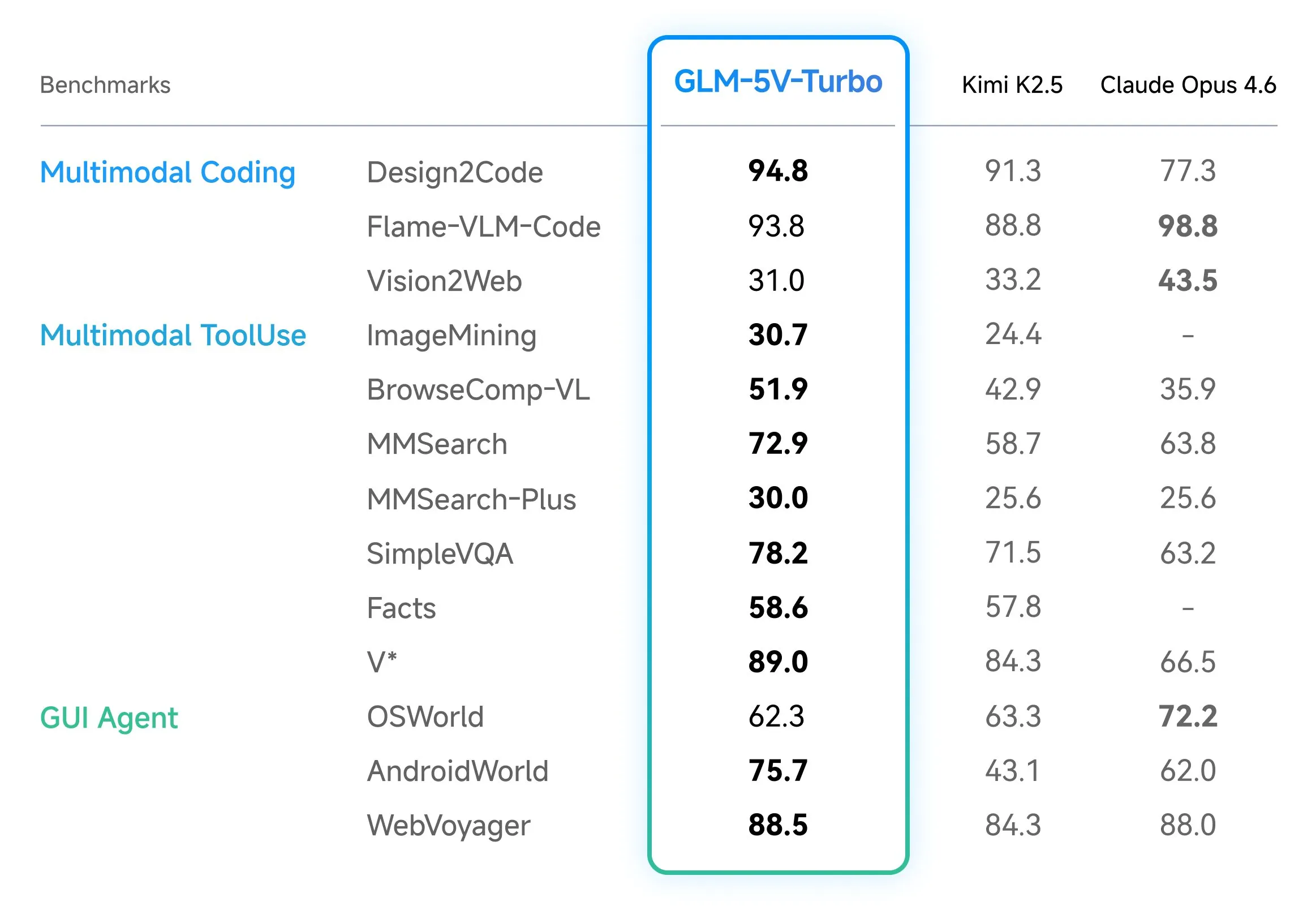
Z.ai Launches GLM-5V-Turbo: A Native Multimodal Vision Coding Model Optimized for OpenClaw and High-Capacity Agentic Engineering Workflows Everywhere
MarkTechPost
How I Started Using AI Agents for End-to-End Testing (Autonoma AI)
Dev.to

How We Built an AI Coach That Understands PTSD — And Why It Matters
Dev.to

How AI Is Changing PTSD Recovery — And Why It Matters
Dev.to


