
A Model of Understanding in Deep Learning Systems
arXiv cs.AI / 4/7/2026
💬 OpinionIdeas & Deep AnalysisModels & Research
Key Points
- The paper proposes a framework for “systematic understanding” in machine learning agents, requiring an internal model, stable bridge principles to the target system, and reliable predictive capability.
- It argues that many contemporary deep learning systems can achieve forms of understanding, but do not meet the stronger ideal of scientific understanding.
- The work introduces the “Fractured Understanding Hypothesis,” claiming deep learning understanding is often symbolically misaligned with the target system, not explicitly reductive, and only weakly unifying.
- Overall, it provides an evaluative lens for when ML systems’ internal representations constitute genuine understanding versus partial or misaligned modeling.
Related Articles

Big Tech firms are accelerating AI investments and integration, while regulators and companies focus on safety and responsible adoption.
Dev.to

Could it be that this take is not too far fetched?
Reddit r/LocalLLaMA
npm audit Is Broken — Here's the Claude Code Skill I Built to Fix It
Dev.to
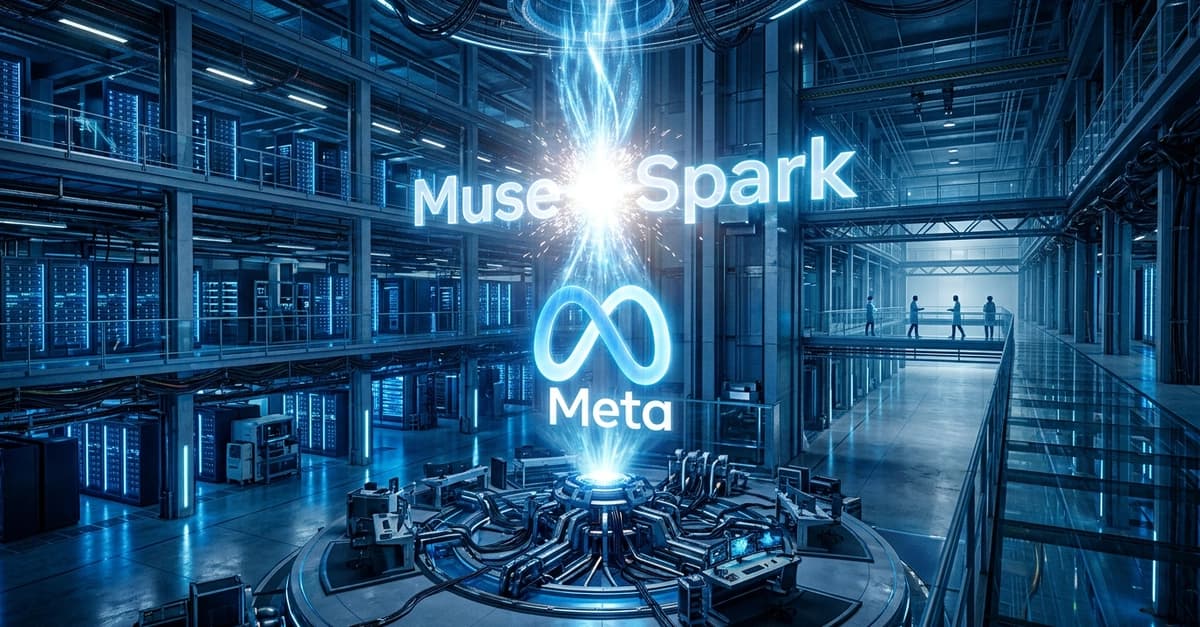
Meta Launches Muse Spark: A New AI Model for Everyday Use
Dev.to
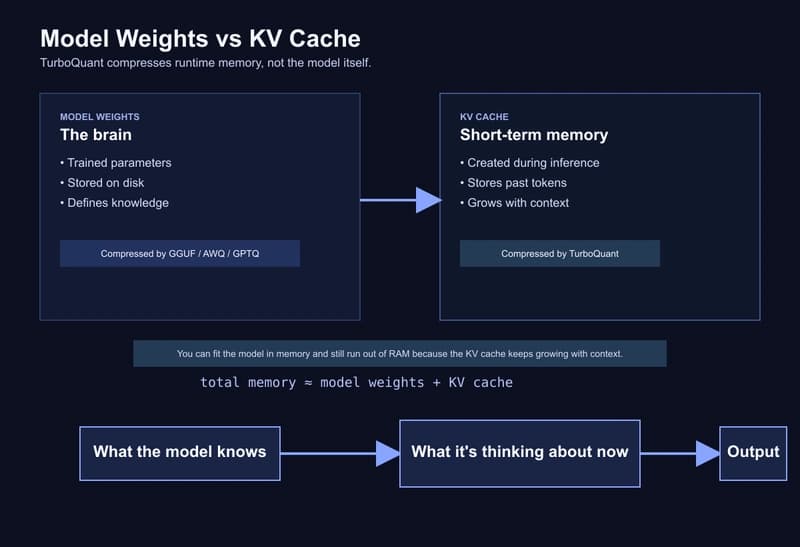
TurboQuant on a MacBook: building a one-command local stack with Ollama, MLX, and an automatic routing proxy
Dev.to


