
A deep learning framework for glomeruli segmentation with boundary attention
arXiv cs.LG / 4/17/2026
💬 OpinionModels & Research
Key Points
- The paper introduces a U-Net-based deep learning model for glomeruli detection and segmentation that specifically targets the accurate separation of adjacent glomeruli.
- It goes beyond standard semantic segmentation by using a specialized attention decoder to emphasize boundary-related regions and improve instance-level segmentation quality.
- The approach leverages pathology foundation models to strengthen feature representations relevant to kidney tissue analysis.
- Experiments report improved performance over state-of-the-art methods, with higher Dice score and Intersection over Union for glomerular delineation.
- The work is positioned as more reliable for diagnostic use cases where precise boundary delineation between neighboring structures is critical.
Related Articles
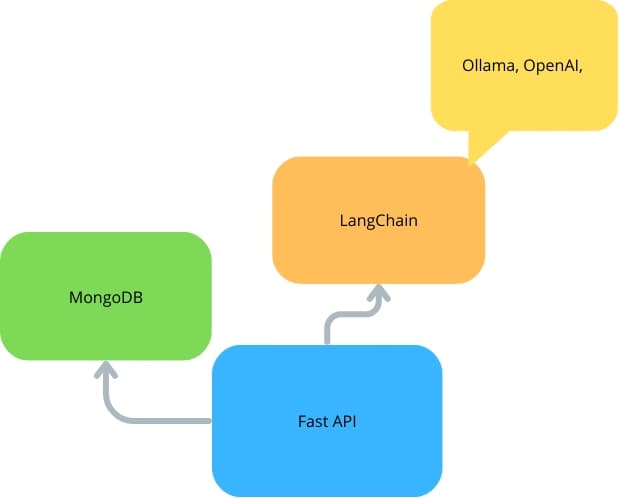
FastAPI With LangChain and MongoDB
Dev.to
![[2026] OpenTelemetry for LLM Observability — Self-Hosted Setup](/_next/image?url=https%3A%2F%2Fmedia2.dev.to%2Fdynamic%2Fimage%2Fwidth%3D1200%2Cheight%3D627%2Cfit%3Dcover%2Cgravity%3Dauto%2Cformat%3Dauto%2Fhttps%253A%252F%252Fdev-to-uploads.s3.amazonaws.com%252Fuploads%252Farticles%252Flu4b6ttuhur71z5gemm0.png&w=3840&q=75)
[2026] OpenTelemetry for LLM Observability — Self-Hosted Setup
Dev.to
The AI Education Product on Product Hunt Worth Watching
Dev.to

The joy and pain of training an LLM from scratch
Reddit r/LocalLLaMA

Did you know that you can use Qwen3.5-35B-A3B-Base as an instruction/reasoning Model?
Reddit r/LocalLLaMA


