
DeRelayL: Sustainable Decentralized Relay Learning
arXiv cs.LG / 5/6/2026
📰 NewsIdeas & Deep AnalysisModels & Research
Key Points
- The paper argues that large-scale model training is financially and compute-intensive, leaving many ordinary users (including mobile users who generate valuable data) unable to fully benefit.
- It proposes DeRelayL, a new decentralized relay learning paradigm that lets permissionless participants contribute to training and share resulting models.
- Compared with existing collaborative approaches like federated learning, the focus here is not only on privacy and aggregation, but on sustainability and open participation.
- The authors outline DeRelayL’s architecture and end-to-end workflow, develop incentive mechanisms to keep the system viable, and validate effectiveness through theoretical analysis and numerical simulations.
Related Articles

Top 10 Free AI Tools for Students in 2026: The Ultimate Study Guide
Dev.to

AI as Your Contingency Co-Pilot: Automating Wedding Day 'What-Ifs'
Dev.to
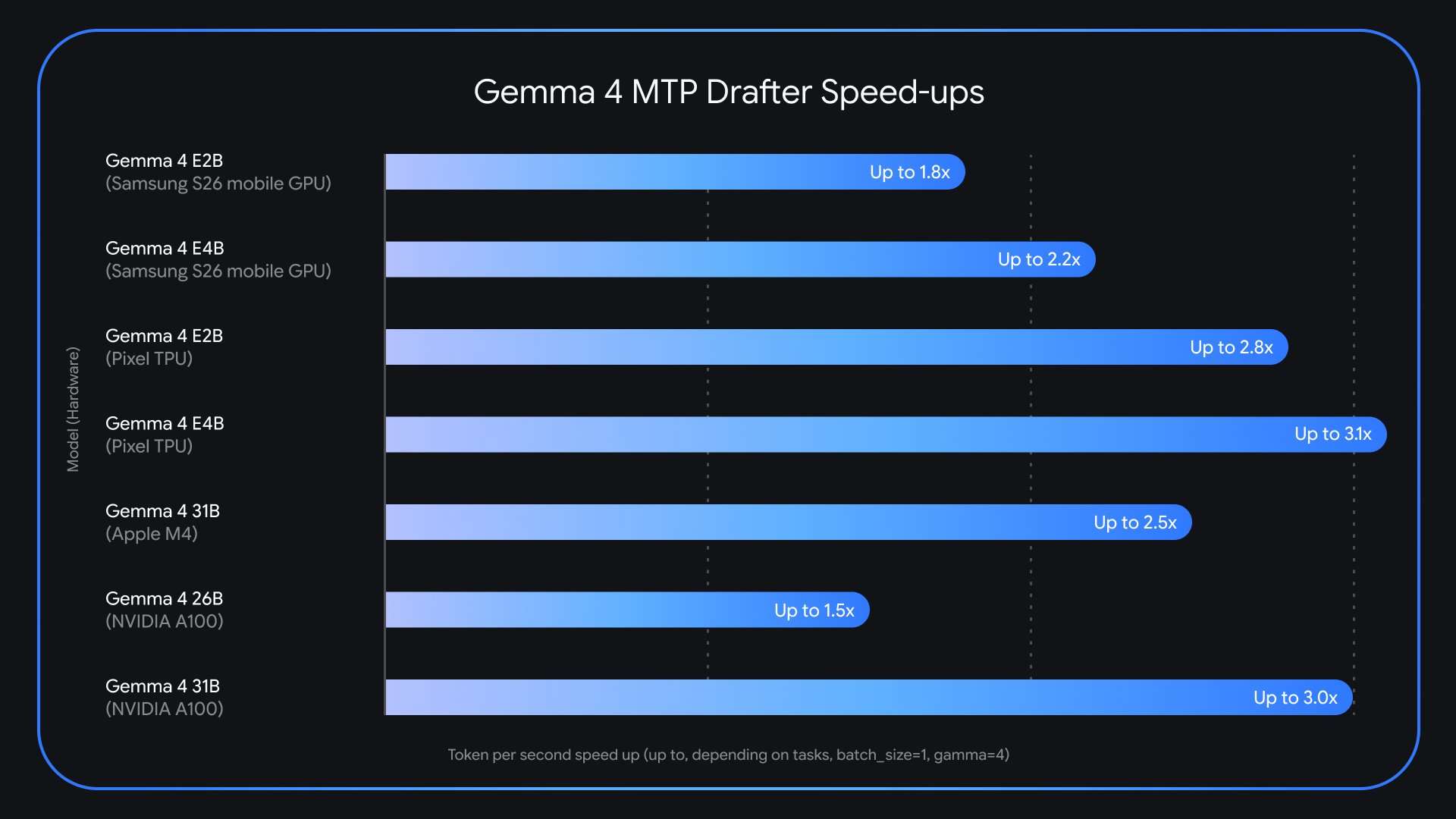
Google AI Releases Multi-Token Prediction (MTP) Drafters for Gemma 4: Delivering Up to 3x Faster Inference Without Quality Loss
MarkTechPost
When Claude Hallucinates in Court: The Latham & Watkins Incident and What It Means for Attorney Liability
MarkTechPost
Solidity LM surpasses Opus
Reddit r/LocalLLaMA


