
SLaB: Sparse-Lowrank-Binary Decomposition for Efficient Large Language Models
arXiv cs.LG / 4/7/2026
📰 NewsSignals & Early TrendsIdeas & Deep AnalysisModels & Research
Key Points
- SLaBは、LLMの各線形層の重みを「疎(sparse)」「低ランク(low-rank)」「バイナリ(binary)」の3成分に分解することで、計算・メモリ負荷を抑えつつ性能劣化を減らす新しい圧縮枠組みを提案しています。
- 従来法で問題になりがちな高圧縮率でも良好な性能を維持することを狙い、再学習(retraining)を不要とし、活性(activation)を考慮したプルーニング指標で分解を導く点が特徴です。
- Llama系モデルの実験では、既存手法に比べて50%圧縮でperplexityを最大36%改善し、ゼロショット課題の精度でベースラインより最大8.98%向上したと報告されています。
Related Articles

Black Hat Asia
AI Business
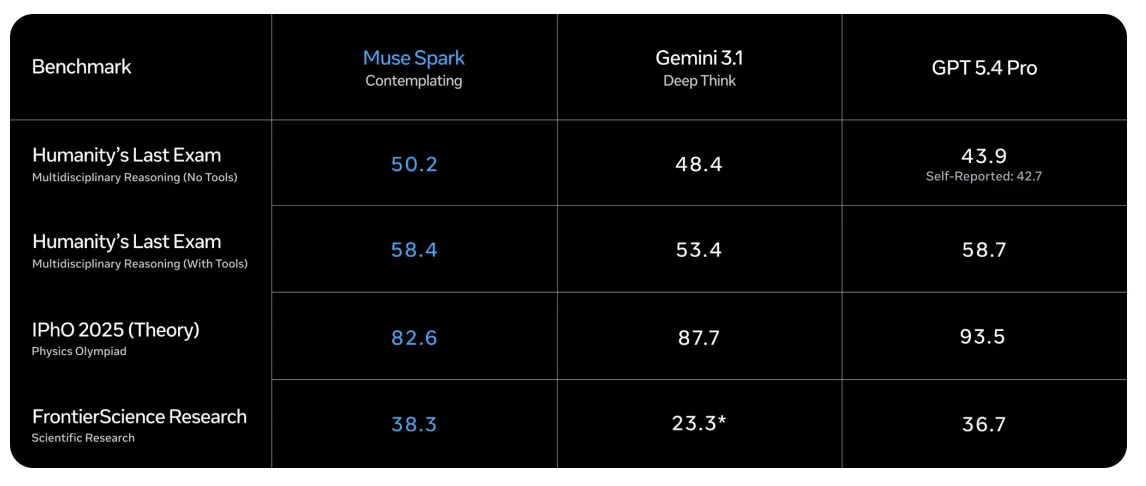
Meta Superintelligence Lab Releases Muse Spark: A Multimodal Reasoning Model With Thought Compression and Parallel Agents
MarkTechPost

Chatbots are great at manipulating people to buy stuff, Princeton boffins find
The Register
I tested and ranked every ai companion app I tried and here's my honest breakdown
Reddit r/artificial

Big Tech firms are accelerating AI investments and integration, while regulators and companies focus on safety and responsible adoption.
Dev.to


