
Classifying Problem and Solution Framing in Congressional Social Media
arXiv cs.CL / 4/7/2026
💬 OpinionIdeas & Deep AnalysisModels & Research
Key Points
- The paper investigates how U.S. Senators’ Twitter posts reflect the “Garbage Can” model by distinguishing between “problem”-focused and “solution”-focused policy processes.
- Using a large dataset of 1.68M tweets, the authors build an automated labeling method where policy experts manually annotated 3,967 tweets into problem, solution, or other.
- They train and evaluate supervised classifiers with a focus on F1 score, splitting the labeled data into training/validation/test subsets and iterating on model hyperparameters.
- The best-performing approach fine-tunes a BERTweet Base model, achieving an average weighted F1 score above 0.8 across categories in cross-validation.
Related Articles

Big Tech firms are accelerating AI investments and integration, while regulators and companies focus on safety and responsible adoption.
Dev.to

Could it be that this take is not too far fetched?
Reddit r/LocalLLaMA
npm audit Is Broken — Here's the Claude Code Skill I Built to Fix It
Dev.to

Meta Launches Muse Spark: A New AI Model for Everyday Use
Dev.to
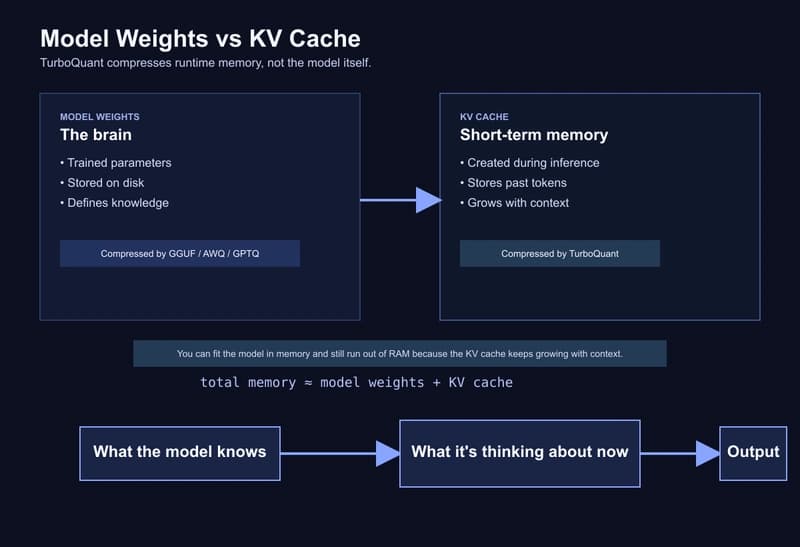
TurboQuant on a MacBook: building a one-command local stack with Ollama, MLX, and an automatic routing proxy
Dev.to


