
 | Electrochemical deposition, or electroplating, is a common industrial technique that coats materials to improve corrosion resistance and protection, durability and hardness, conductivity and more. A Los Alamos National Laboratory team has developed generative diffusion-based AI models for electrochemistry, an innovative electrochemistry approach demonstrated with experimental data. The study, "Conditional Latent Diffusion for High-Resolution Prediction of Electrochemical Surface Morphology," is published in the Journal of The Electrochemical Society. "Electroplating is central to material development and production across many industries, and it has particularly useful applications in our production capabilities at the Laboratory," said Los Alamos scientist Alexander Scheinker, who led the AI aspect of the work. "The generative diffusion-based AI model approach we've established has the potential to dramatically accelerate electrodeposition development, creating efficiencies by reducing the need for extensive physical experiments when optimizing new materials and processes." Electroplating is a complex process involving many coupled parameters—solvents, electrolytes, temperature, power settings—making process optimization heavily reliant on time-consuming trial and error. The team trained its AI model on parameters and on the electron microscope images those settings produced, building the model's capability to predict the structure, form and characteristics of electrodeposited materials. [link] [comments] |
Diffusion-based AI model successfully trained in electroplating
Reddit r/artificial / 4/2/2026
📰 NewsSignals & Early TrendsIdeas & Deep AnalysisModels & Research
Key Points
- Los Alamos National Laboratory researchers developed conditional latent diffusion generative AI models to predict electrochemical surface morphology for electroplating using both process parameters and electron microscope images.
- The work, published in the *Journal of The Electrochemical Society*, demonstrates an AI approach for electrochemistry with experimental data.
- By learning from the complex, coupled variables in electrodeposition (e.g., solvents, electrolytes, temperature, and power settings), the model aims to reduce reliance on slow trial-and-error optimization.
- The team says the method could accelerate electrodeposition development by lowering the need for extensive physical experiments when tuning new materials and processes.
💡 Insights using this article
This article is featured in our daily AI news digest — key takeaways and action items at a glance.
Related Articles

Black Hat Asia
AI Business
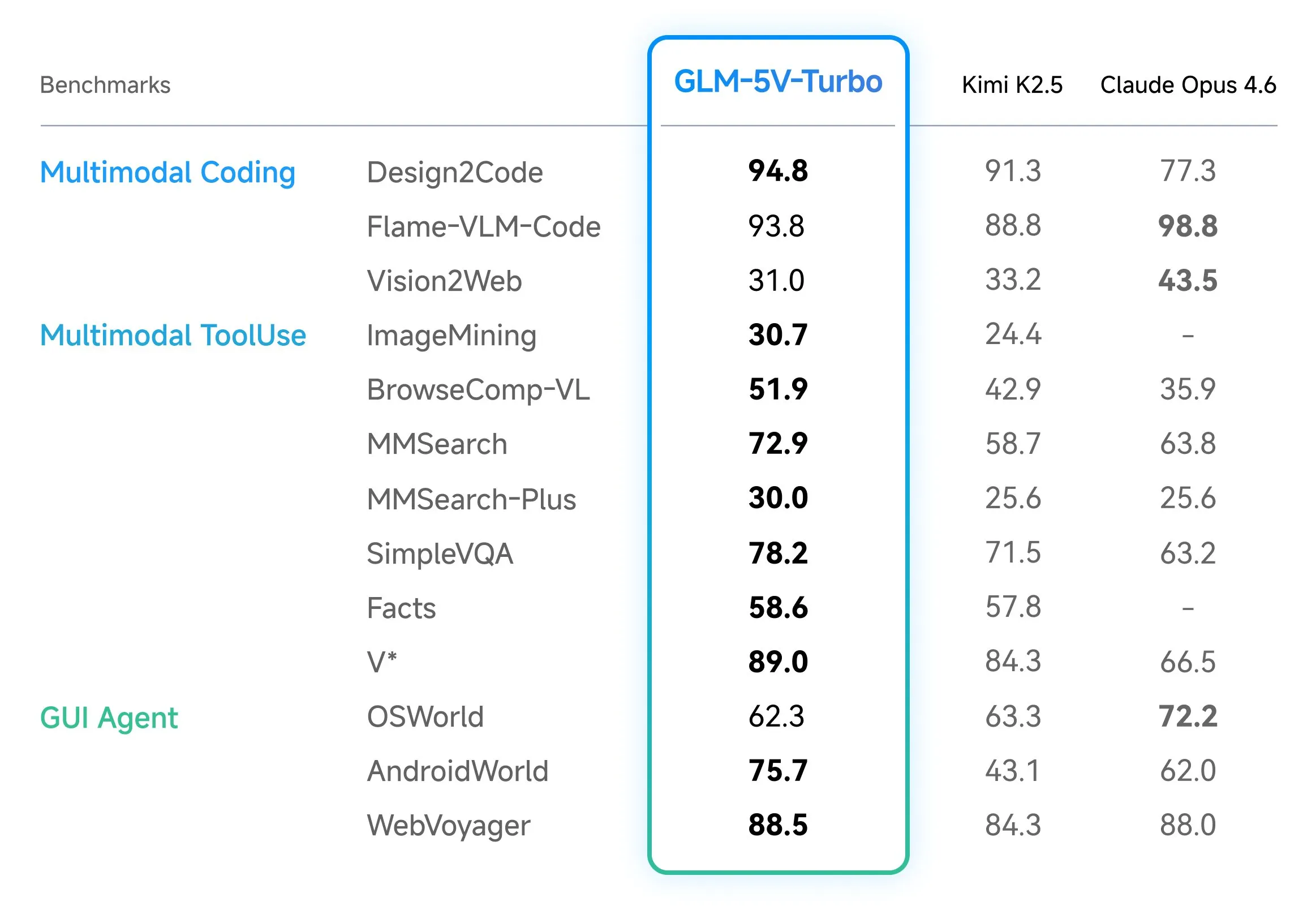
Z.ai Launches GLM-5V-Turbo: A Native Multimodal Vision Coding Model Optimized for OpenClaw and High-Capacity Agentic Engineering Workflows Everywhere
MarkTechPost

How I Started Using AI Agents for End-to-End Testing (Autonoma AI)
Dev.to

How We Built an AI Coach That Understands PTSD — And Why It Matters
Dev.to

How AI Is Changing PTSD Recovery — And Why It Matters
Dev.to


