
ProDiG: Progressive Diffusion-Guided Gaussian Splatting for Aerial to Ground Reconstruction
arXiv cs.CV / 4/3/2026
💬 OpinionIdeas & Deep AnalysisModels & Research
Key Points
- ProDiGは、空撮(aerial)画像のみから地上(ground-level)の視点と整合的な3Dサイトモデルを生成する課題に対し、広い視点ギャップでも幾何学的に破綻しにくい進行的な復元手法を提案しています。
- 従来の“後処理でのレンダリング改良”や“複数高度の地上正解”に依存せず、ProDiGは中間高度の表現を合成しながら段階的にGaussian表現を拡散モデルで洗練します。
- 幾何構造(エピポラ構造)を参照ビューの拡散推論へ注入するgeometry-aware causal attentionモジュールと、カメラ距離に応じてGaussianのスケール/不透明度を動的調整するdistance-adaptiveモジュールにより、広い距離変化でも安定した再構成を実現します。
- 合成データと実データの実験で、見た目の自然さ、3D幾何の整合性、極端な視点変化への頑健性の面で既存手法を大きく上回ると報告されています。
Related Articles

90000 Tech Workers Got Fired This Year and Everyone Is Blaming AI but Thats Not the Whole Story
Dev.to

Microsoft’s $10 Billion Japan Bet Shows the Next AI Battleground Is National Infrastructure
Dev.to
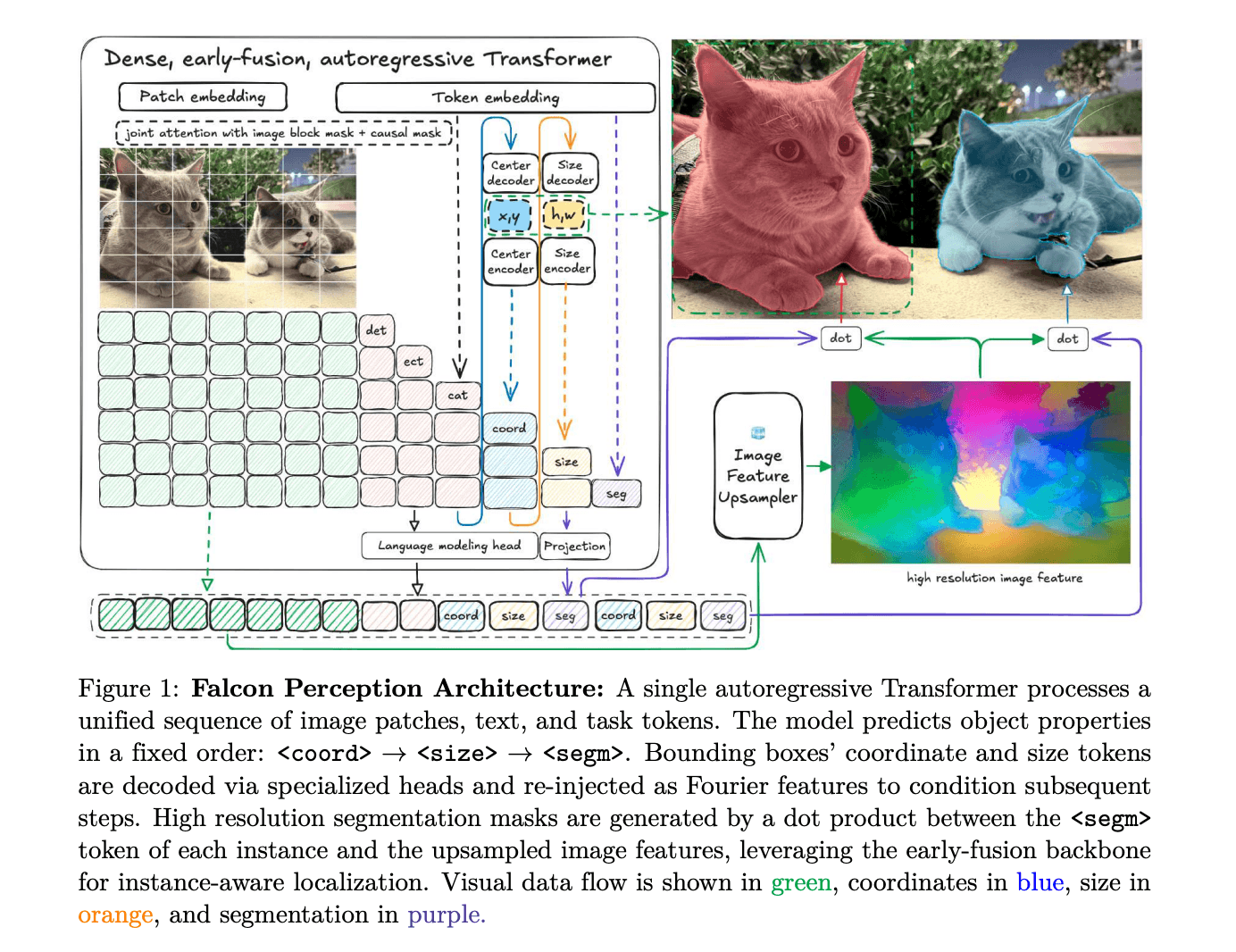
TII Releases Falcon Perception: A 0.6B-Parameter Early-Fusion Transformer for Open-Vocabulary Grounding and Segmentation from Natural Language Prompts
MarkTechPost

The house asked me a question
Dev.to

Precision Clip Selection: How AI Suggests Your In and Out Points
Dev.to


