
Enhancing the interpretability of spatially variable N2O model predictions with soft sensors during wastewater treatment
arXiv cs.LG / 5/7/2026
📰 NewsModels & Research
Key Points
- The study evaluates machine-learning models that predict spatially variable nitrous oxide (N2O) emissions and operational disturbances in wastewater treatment plants (WWTPs) using operational nutrient-control datasets plus dedicated N2O measurements.
- Across four ML models, the approach can fit predicted N2O disturbances with strong performance (R² ≈ 0.79–0.89) and shows high accuracy when monitoring campaigns are simulated (0.97 ± 0.02, n = 80).
- Although predictive accuracy is high, feature importance and interpretability vary depending on the model, the simulation scenario, and the N2O measurement scale (reactor-level vs. WWTP-level).
- The authors argue that “soft sensor” model predictions are constrained by the measurement location and dataset uncertainty, which can limit how confidently results can be interpreted.
- Using the structure of a plant-wide mechanistic model, the analysis identifies interactions between autotrophic and heterotrophic pathways over nitric oxide that may overestimate aerobic nitrite production and bias estimated contributions to the N2O pathway.
Related Articles

Why GPU Density Just Broke Two Decades of Data Centre Design Assumptions
Dev.to

From Demos to Guardrails: 10 Reddit Threads Tracking the AI-Agent Shift
Dev.to

What Reddit’s Agent Builders Were Actually Debugging This Week
Dev.to
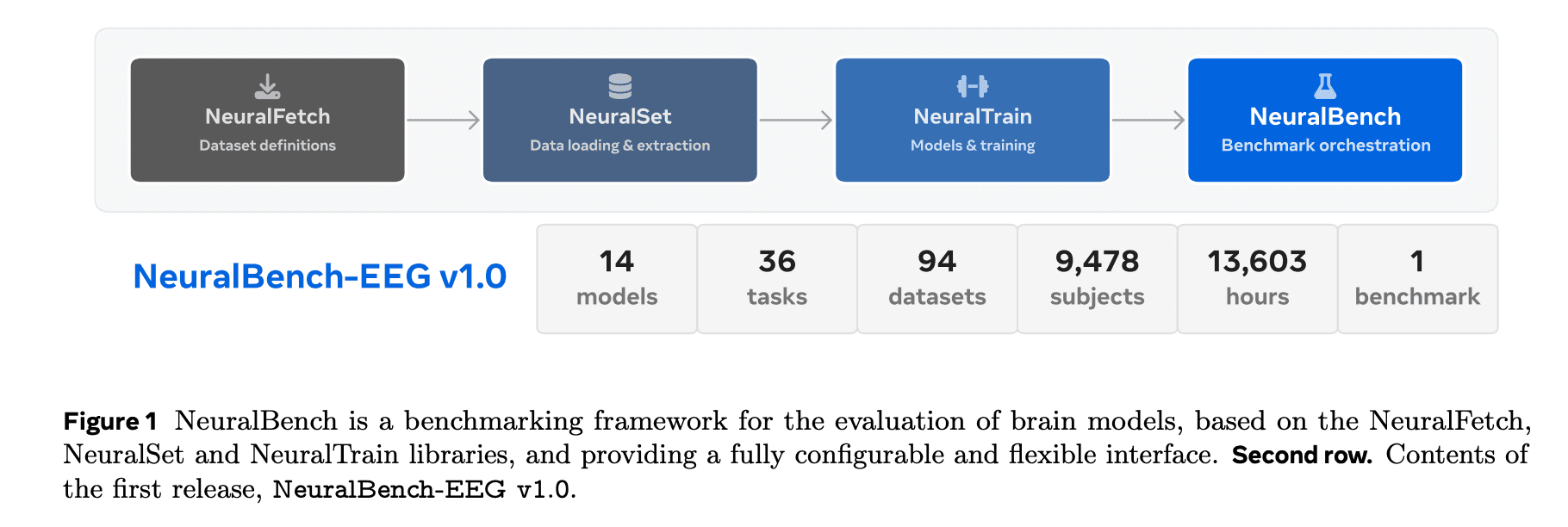
Meta AI Releases NeuralBench: A Unified Open-Source Framework to Benchmark NeuroAI Models Across 36 EEG Tasks and 94 Datasets
MarkTechPost
Qwen 3.6?
Reddit r/LocalLLaMA


