
From Large Language Model Predicates to Logic Tensor Networks: Neurosymbolic Offer Validation in Regulated Procurement
arXiv cs.AI / 4/8/2026
💬 OpinionIdeas & Deep AnalysisModels & Research
Key Points
- The paper proposes a neurosymbolic pipeline for validating procurement offer documents in regulated public institutions by combining language-model extraction with Logic Tensor Networks (LTNs).
- It aims to produce decisions that are both factually correct and legally verifiable, using auditable outputs tied to predicate values, rule truth values, and supporting text passages.
- The approach connects domain-specific knowledge (rules/predicates) to the semantic understanding of text from an LLM, enabling modular predicate extraction and rule checking against a real corpus.
- Experimental results on real procurement documents indicate performance comparable to existing models, with the main differentiator being interpretability and explicit Explainable AI support.
Related Articles
Research with ChatGPT
Dev.to
Silicon Valley is quietly running on Chinese open source models and almost nobody is talking about it
Reddit r/LocalLLaMA

Why AI Product Quality Is Now an Evaluation Pipeline Problem, Not a Model Problem
Dev.to
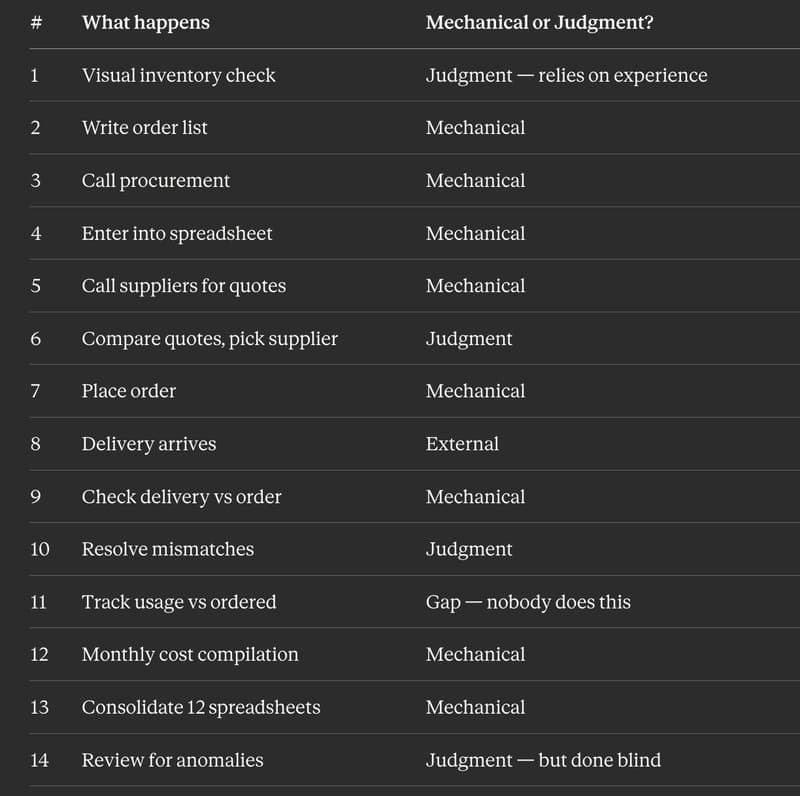
I Replaced 12 Kitchen Managers Guessing "How Much Chicken Do We Need" With 3 ML Models. Here's the Entire Architecture.
Dev.to
AI Model Router API - REST + MCP, Free Tier
Dev.to


