
LogitScope: A Framework for Analyzing LLM Uncertainty Through Information Metrics
arXiv cs.AI / 3/27/2026
📰 NewsSignals & Early TrendsIdeas & Deep AnalysisTools & Practical UsageModels & Research
Key Points
- LogitScope is introduced as a lightweight, model-agnostic framework to quantify LLM uncertainty at the token level during generation using information-theoretic metrics derived from probability distributions.
- The method computes metrics such as entropy and varentropy at each generation step to surface patterns of confidence, highlight likely hallucination regions, and pinpoint decision points with high uncertainty.
- It aims to provide insight without labeled data or semantic interpretation, making it suitable for both research and practical inference-time analysis.
- The framework is described as computationally efficient via lazy evaluation and compatible with HuggingFace models, supporting production monitoring and behavioral analysis.
- The work claims utility across multiple use cases including uncertainty quantification, model behavior inspection, and ongoing runtime monitoring of deployed systems.
広告
Related Articles
![[Boost]](/_next/image?url=https%3A%2F%2Fmedia2.dev.to%2Fdynamic%2Fimage%2Fwidth%3D800%252Cheight%3D%252Cfit%3Dscale-down%252Cgravity%3Dauto%252Cformat%3Dauto%2Fhttps%253A%252F%252Fdev-to-uploads.s3.amazonaws.com%252Fuploads%252Fuser%252Fprofile_image%252F3618325%252F470cf6d0-e54c-4ddf-8d83-e3db9f829f2b.jpg&w=3840&q=75)
[Boost]
Dev.to

Managing LLM context in a real application
Dev.to

Got My 39-Agent System Audited Live. Here's What the Maturity Scorecard Revealed.
Dev.to

OpenAI Killed Sora — Here's Your 10-Minute Migration Guide (Free API)
Dev.to
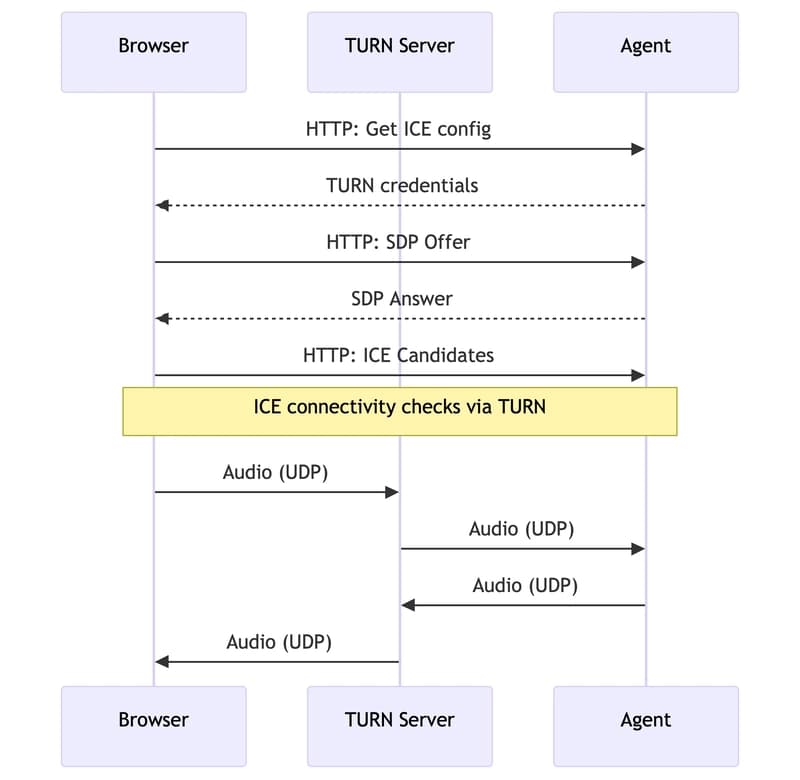
Switching my AI voice agent from WebSocket to WebRTC — what broke and what I learned
Dev.to


