
The Biggest Risk of Embodied AI is Governance Lag
arXiv cs.AI / 4/27/2026
💬 OpinionSignals & Early TrendsIdeas & Deep Analysis
Key Points
- The article argues that the most serious risk of embodied AI is not job displacement but “governance lag,” where public institutions cannot react quickly enough to rapid adoption in the physical economy.
- As reusable robotic platforms are paired with more general AI models, embodied AI could spread across sectors like manufacturing, logistics, care, and infrastructure faster than governance can monitor and interpret developments.
- The authors describe governance lag in three interconnected forms: observational (not seeing fast enough), institutional (slow or misaligned institutional response), and distributive (uneven distribution of impacts and oversight).
- The key policy question is whether governance and compliance systems can evolve and adapt before disruption becomes deeply entrenched, rather than focusing only on automation itself.
💡 Insights using this article
This article is featured in our daily AI news digest — key takeaways and action items at a glance.
Related Articles

Big Tech firms are accelerating AI investments and integration, while regulators and companies focus on safety and responsible adoption.
Dev.to
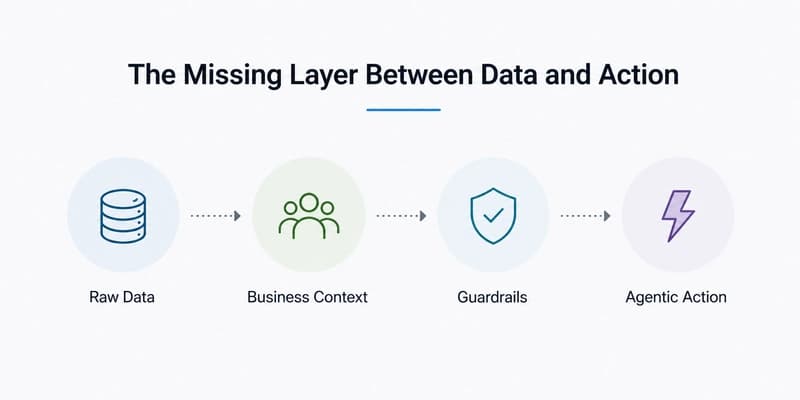
Everyone Wants AI Agents. Fewer Teams Are Ready for the Messy Business Context Behind Them
Dev.to
Free Registration & $20K Prize Pool: 2nd MLC-SLM Challenge 2026 on Multilingual Speech LLMs [N]
Reddit r/MachineLearning
AI 编程工具对比 2026:Claude Code vs Cursor vs Gemini CLI vs Codex
Dev.to

How I Improved My YouTube Shorts and Podcast Audio Workflow with AI Tools
Dev.to


